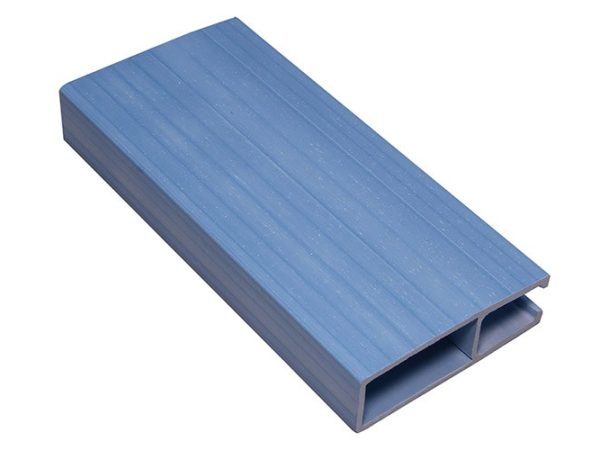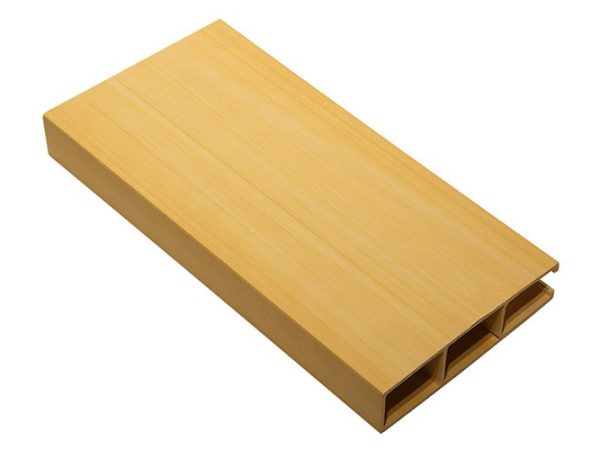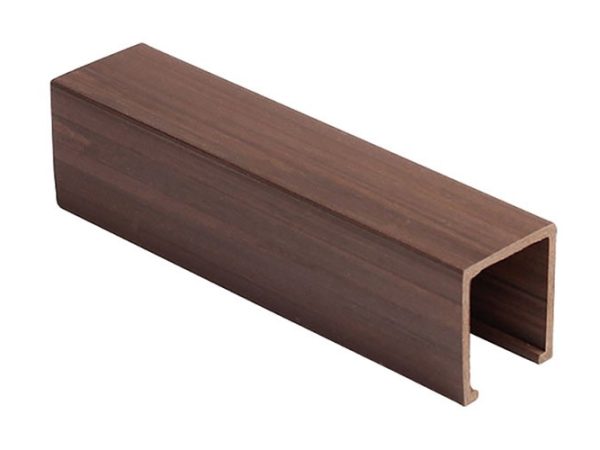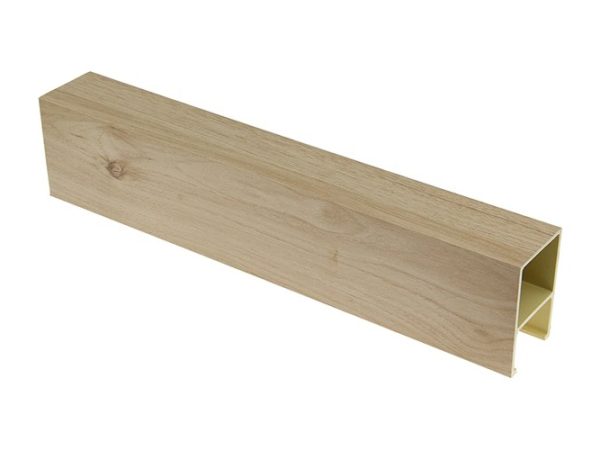
25 × 50 mm section · interior ceiling
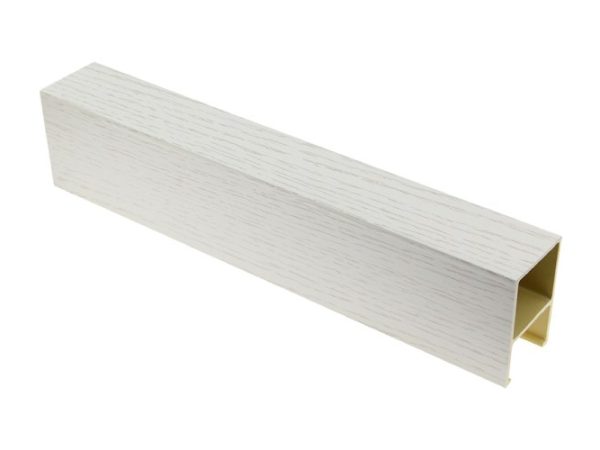
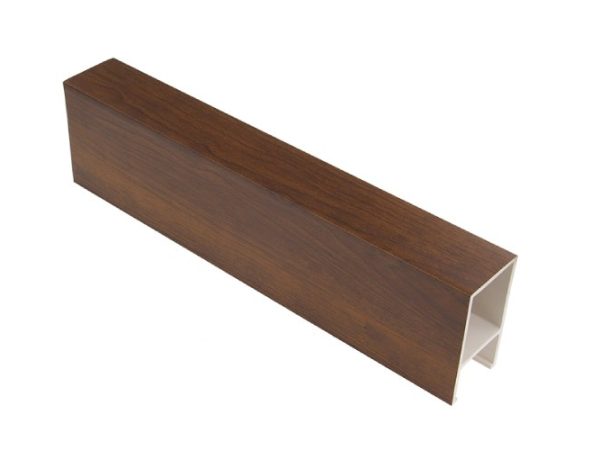
WPC Ceiling Tube 25 × 50 mm
- Section 25 × 50 mm, supplied made to order to the run length
- Form Hollow four-face wood-plastic profile, finished on all sides, so it reads as a beam

40 × 25 mm section · interior ceiling
| Section | 40 × 25 mm, supplied made to order to the run length |
|---|---|
| Ventilation | Detailed so air can move through the ceiling zone instead of sitting against the slab |
| Installation risk | Insulation or a batten across the openings closes the air path — keep both ends clear |
| Limit | Helps the void dry; it does not replace mechanical extract sized for the room |
| Use | Ceilings over kitchens, bathrooms and plant rooms |
| Standard | SGS tested. CE documentation supplied with EU-bound orders. |
| Maintenance | Wipe clean. No paint or oil finish required. |
The section lets air move through the ceiling zone instead of trapping it
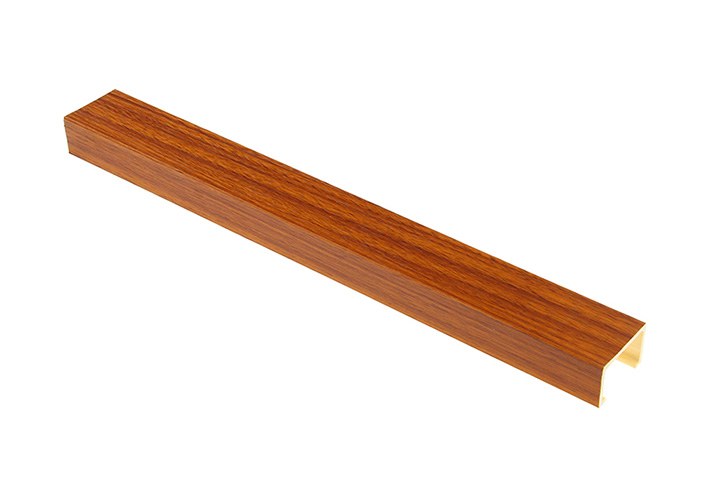
40 × 25 mm, a narrow profile rather than a beam
Both ends of each run have to stay open or the ventilation is closed
Helps the structure dry; it does not replace mechanical extract
A hollow wood-plastic ceiling tube at 40 × 25 mm with a ventilated profile: the section is detailed so air can move through the ceiling zone instead of being trapped against the slab.
It goes over kitchens, bathrooms and plant rooms, where the void above the ceiling has to breathe. In those rooms the problem is rarely the visible surface — it is condensation forming in the void and then finding a cold spot to sit on, which is how a ceiling starts to smell before anything shows on the face. A ventilated section helps the void dry. It does not replace mechanical extract, and it is worth saying so plainly: the fan sizes the room, the profile only helps the structure. The usual way this fails is during installation, when insulation is pushed up against the tube or a batten is run across the openings and the air path is closed. Both ends of each run need to stay clear, and the installer needs to know why. The 40 × 25 section reads as a narrow batten from below rather than a beam, so it is chosen for the ventilation detail more than for weight.
Confirm the void depth and the extract strategy when ordering, and check during installation that the runs have not been blocked.
Steam and cooking moisture that would otherwise sit in the void
Condensation above a wet room, where the void has to breathe
Warm, humid equipment rooms where the slab has to dry
Sustained humidity that finds a cold spot in the void
1 × 20ft container, mixed across products where the mix suits the project. A sample box can be arranged before the first container.
Yes. Send the product and the size you are specifying, and we will confirm the sample and the lead time for it.
It lets air move through the ceiling zone instead of trapping it against the slab. In a kitchen or a bathroom that is what stops condensation forming in the void and then finding a cold spot to grow on.
No. Ventilation through the profile helps the void dry; it does not remove moisture from the room. The room still needs mechanical extract sized for it.
Yes, and that is the usual failure. Insulation pushed against the tube or a batten run across the openings stops the air moving. Keep both ends of each run clear and tell the installer why.
It reads as a narrow batten rather than a beam. It is a modest ceiling feature, chosen for the ventilation detail rather than for weight.
Final packing, freight and loading plan are confirmed in writing on the order quotation.
25 × 50 mm section · interior ceiling
25 × 80 mm section · interior ceiling
25 × 100 mm section · interior ceiling
40 × 45 mm section · interior ceiling
50 × 60 mm section · interior ceiling
50 × 75 mm section · interior ceiling
Tell us the size, the quantity and the destination port. We will come back with price, lead time and the packing plan.
The product name and SKU are filled in for you.
Send drawings or specs — we reply in one business day