1220x2440mm
Flakeboard
- Size 1220 × 2440 mm, 2100 × 2800 mm, 1250 × 2500 mm, 1830 × 3660 mm, or cut to size
- Thickness 9–30 mm
PAR-A76B07
Get a Quote
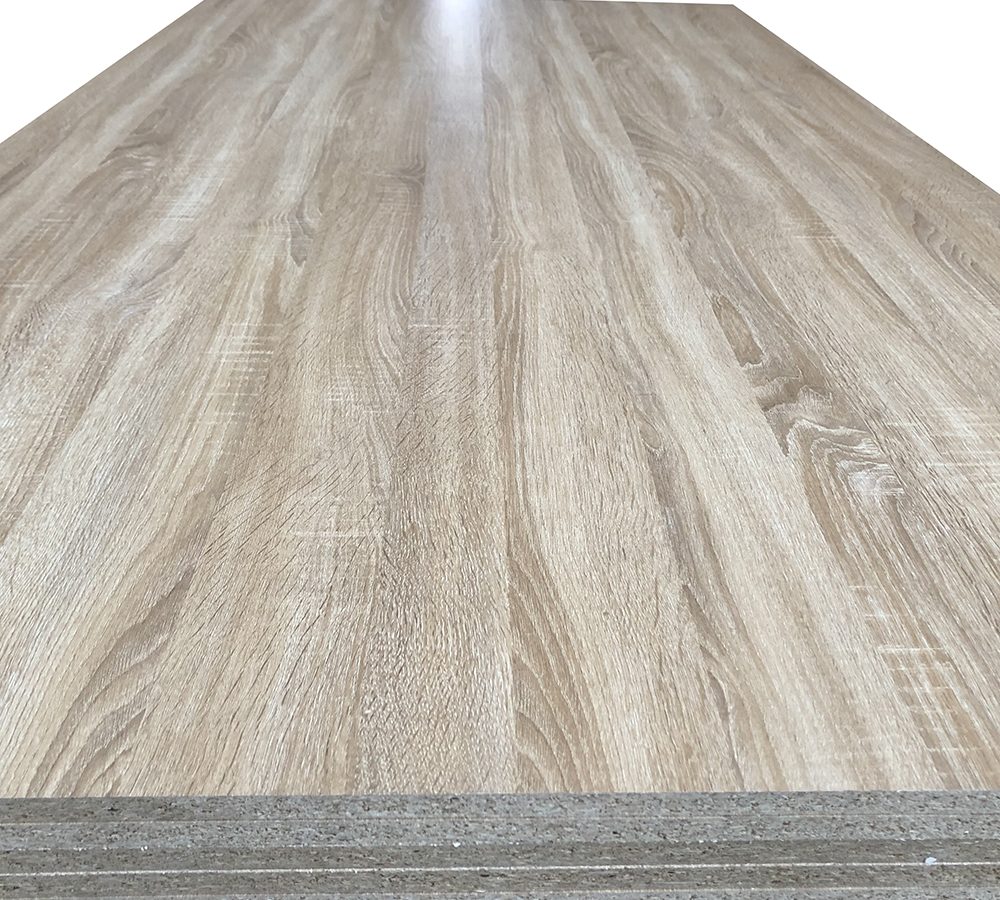
E0 and E1 emission · 1220 × 2440 mm · 9–25 mm
| Size | 1220 × 2440 mm, 2100 × 2800 mm, 1250 × 2500 mm, 1830 × 3660 mm, or cut to size |
|---|---|
| Thickness | 9–30 mm |
| Emission | E0 and E1 grades — E1 is the standard interior grade, E0 the tighter of the two |
| Face | Calibrated flat face, ready for melamine paper, laminate or a veneer |
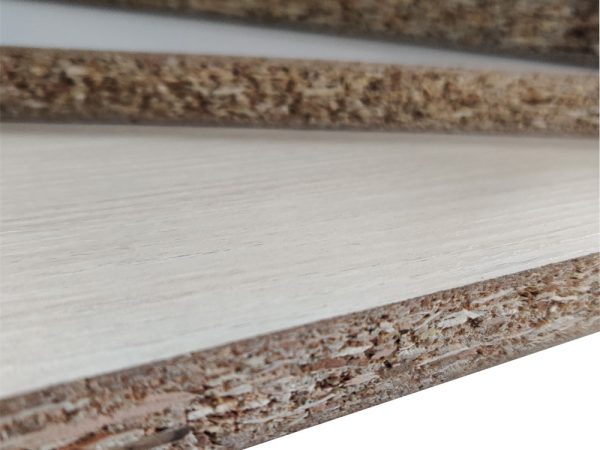
| Core | Wood chips and shavings bonded with adhesive |
| Material | Wood chips, shavings and particles |
| Edge | Cut edges require an edge band or trim — the exposed core takes up moisture |
| Use | Carcasses, flat-pack furniture, back panels, shelving and interior fit-out |
Ready for melamine paper, laminate or veneer without further work
In a dry room it stays flat, which is what a carcass needs
A second fixing in the same hole does not hold, so inserts are used instead
Which is where flakeboard or an extra support comes in
Particle board in E0 and E1 emission grades, 1220 × 2440 mm and larger formats from 9 mm to 30 mm, with a calibrated flat face ready for melamine paper, laminate or veneer.
It is the workhorse panel for carcasses, flat-pack furniture, back panels and interior fit-out, and its case is flatness and cost rather than appearance. A carcass is mostly hidden, so the visual advantage of a plywood face is not being used, and particle board is flat, stable in a dry room and inexpensive — which is why it dominates that application. Two properties set its limits. It does not hold a screw well on a second fixing in the same hole, which is why knock-down fittings and inserts are used rather than relying on the screw alone, and it sags over a long unsupported shelf span, which is where flakeboard or an extra support comes in. The exposed edge needs a band or a trim because the core takes up moisture and reads as unfinished. Emission class is a market question: E1 is the standard interior grade and E0 the tighter of the two, so the destination and the specification decide it rather than a default.
Confirm the thickness, the emission class for the destination and how the edges will be finished, since those three settle most of the cost of a particle board job.
A cost-effective carcass panel that takes dowels and cam fittings
Consistent thickness so the fit repeats across a run
Hidden behind a door or a skin, so the face is not being paid for
A stable core under a laminate or melamine face
1 × 20ft container, mixed across products where the mix suits the project. A sample box can be arranged before the first container.
Yes. Send the product and the size you are specifying, and we will confirm the sample and the lead time for it.
It depends on the market and the specification, not on the board. E1 is the standard interior grade; E0 is the tighter of the two. Tell us the destination and the requirement, because defaulting to E1 when the project asks for E0 is a compliance problem, not a preference.
Cost and flatness. It is flat, stable in a dry room and inexpensive, and a carcass is mostly hidden, so the appearance advantage of plywood is not being used. Where the panel will be seen or will take moisture, that calculation changes.
At short spans, yes; at long spans it sags. If the shelf is long, use flakeboard or add a support. Tell us the span.
Not reliably. Particle board does not hold a screw well on a second fixing in the same hole, which is why knock-down fittings and inserts are used rather than relying on the screw alone.
Final packing, freight and loading plan are confirmed in writing on the order quotation.
1220x2440mm
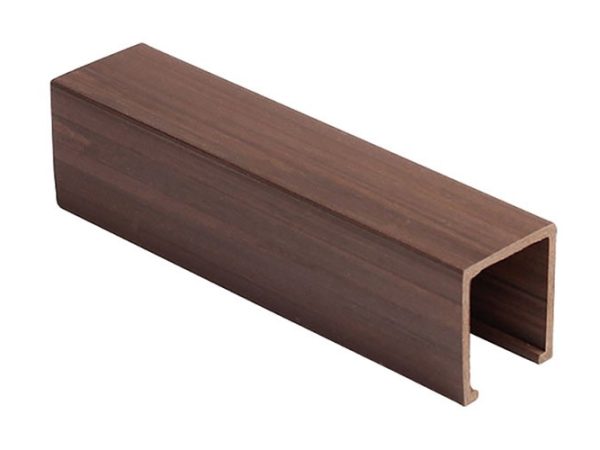
50 × 150 mm section · interior ceiling
50 × 90 mm section · interior ceiling
50 × 75 mm section · interior ceiling
50 × 60 mm section · interior ceiling
40 × 45 mm section · interior ceiling
Tell us the size, the quantity and the destination port. We will come back with price, lead time and the packing plan.
The product name and SKU are filled in for you.
Send drawings or specs — we reply in one business day