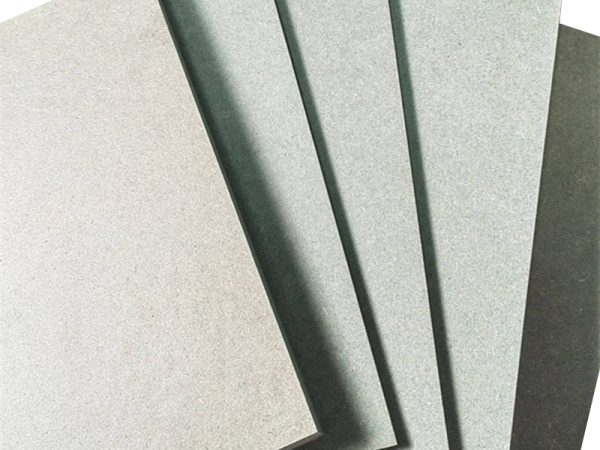
1220x2440mm
Moisture-resistant MDF
- Size 1220 × 2440 mm and larger formats, or cut to size
- Thickness 2–30 mm
MDF-67CA38
Get a Quote
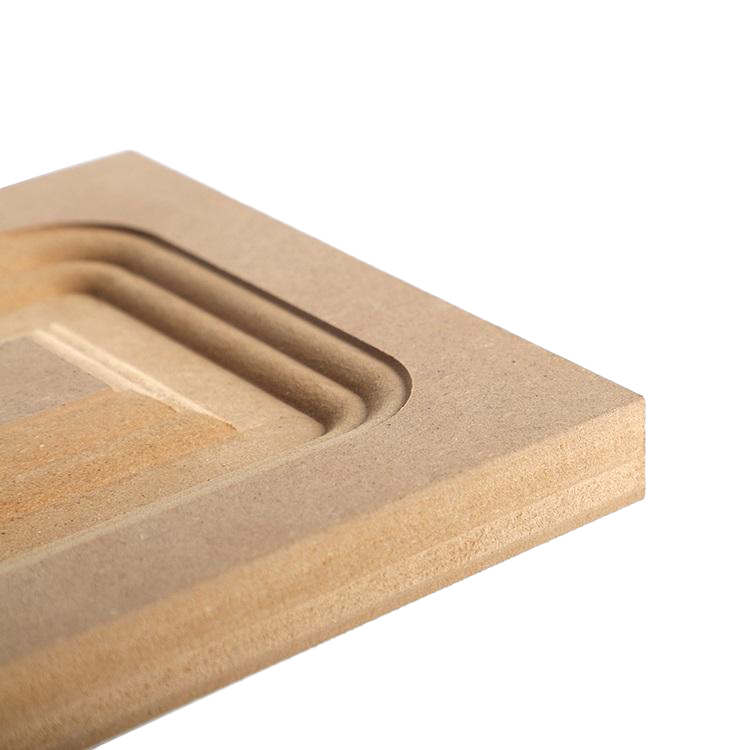
MDF and HDF · 1220 × 2440 mm · 9–25 mm
| Size | 1220 × 2440 mm, 2100 × 2800 mm, 1250 × 2500 mm, 1830 × 3660 mm, or cut to size |
|---|---|
| Thickness | 2–30 mm |
| Density | 650–900 kg/m³ — MDF at the lower end, HDF at the upper |
| Material | Fine wood fibres bonded under heat and pressure |
| Face and back | Raw, or melamine paper in off-white and wood or stone grain |
| Glue line | WBP / MR / E0 / CARB P2 / E1 / E2 depending on the requirement |
| Use | Furniture, doors and interior decoration. Interior only — not a structural or exterior panel |
| Edge | Machines to a clean edge, which is why it takes a routed profile |
No grain direction, so a profile cuts the same in every direction
650–900 kg/m³, with HDF at the top for a harder face
Which is why it takes a routed profile and a sprayed finish
Not structural and not for exterior service
MDF and HDF in 1220 × 2440 mm and larger formats up to 1830 × 3660 mm, from 2 mm to 30 mm, made from fine wood fibres bonded under heat and pressure. Density runs from around 650 kg/m³ at the MDF end to 900 kg/m³ for HDF.
The uniform fibre structure is the reason both grades are used: there is no grain direction, so a profile cuts the same way in every direction and the edge machines clean. That is what makes MDF the natural choice for routed and painted work — a moulded panel, a profiled door face, a sprayed carcass — and it is a property plywood does not share, because a plywood edge tears depending on the direction of the cut. HDF earns its place where the face has to be harder or the panel thinner for the same stiffness: door skins, laminate carriers, floor underlay. Both are interior panels and neither is structural. The edge is the weak point in a damp room, which is why the moisture-resistant grade still needs its edges sealed. Emission class is decided by the market you ship to, so it is worth stating the destination rather than defaulting to E1 when the requirement may be E0 or CARB P2.
Confirm the density grade, the thickness and the emission class against the destination market, and tell us if the panel will be routed so the grade can be matched to the profile.
A void-free core that machines and takes paint without grain
Flat, stable and consistent in thickness across a run
Fast to machine and finish on a short build programme
HDF where a harder face and better screw-holding are needed
1 × 20ft container, mixed across products where the mix suits the project. A sample box can be arranged before the first container.
Yes. Send the product and the size you are specifying, and we will confirm the sample and the lead time for it.
Where the face has to be harder or the panel thinner for the same stiffness — a door skin, a laminate carrier, a floor underlay. MDF is the better choice for routed and painted work, because it machines cleanly and holds a profile.
Because there is no grain direction and the fibre is uniform, so a profile cuts the same in every direction. A plywood or a solid timber edge will tear or splinter depending on the direction of the cut.
Standard MDF is not. Use the moisture-resistant grade, and even then the edges need sealing, because the edge is where water gets in.
It depends on the market you are shipping to. Tell us the destination and the requirement and we will confirm the class, rather than quoting E1 by default when CARB P2 or E0 may be what is actually needed.
Final packing, freight and loading plan are confirmed in writing on the order quotation.
1220x2440mm
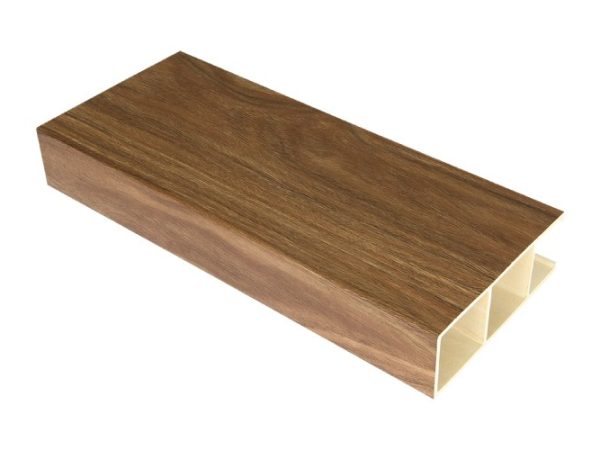
50 × 150 mm section · interior ceiling
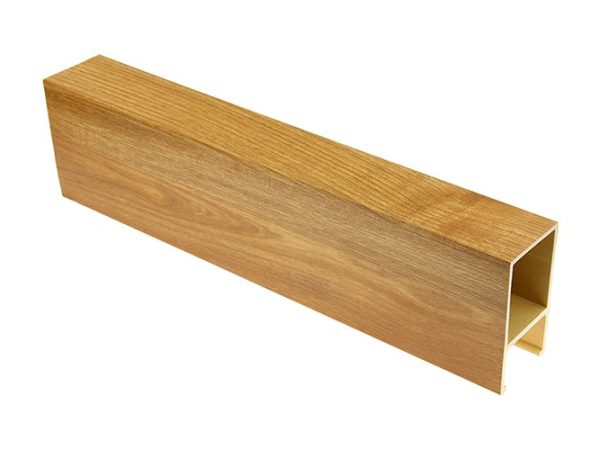
50 × 90 mm section · interior ceiling
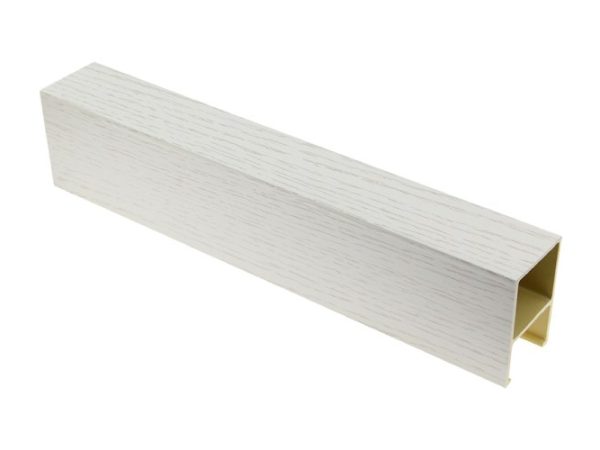
50 × 75 mm section · interior ceiling
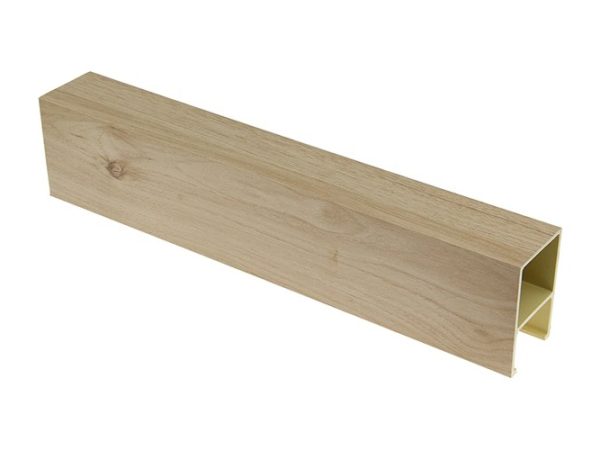
50 × 60 mm section · interior ceiling
40 × 45 mm section · interior ceiling
Tell us the size, the quantity and the destination port. We will come back with price, lead time and the packing plan.
The product name and SKU are filled in for you.
Send drawings or specs — we reply in one business day