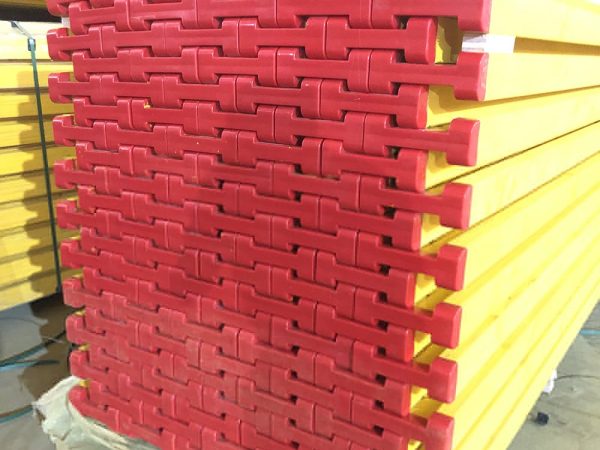
H20 Solid Timber Beam
- Section 200 × 80 mm nominal H20 profile per EN 13377
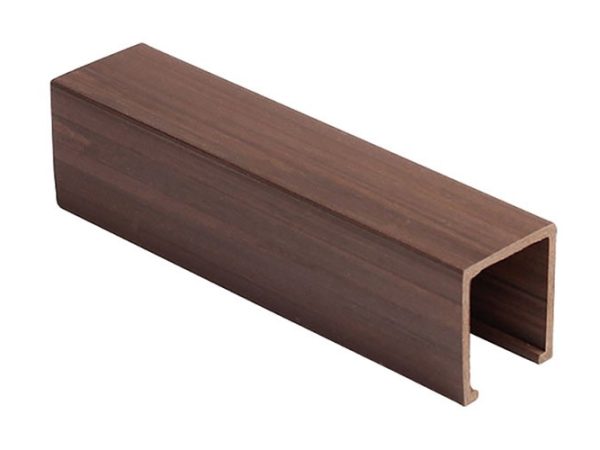
- Type Solid timber beam, planed and end-sealed — no steel edge
H20-E3631D
Get a Quote
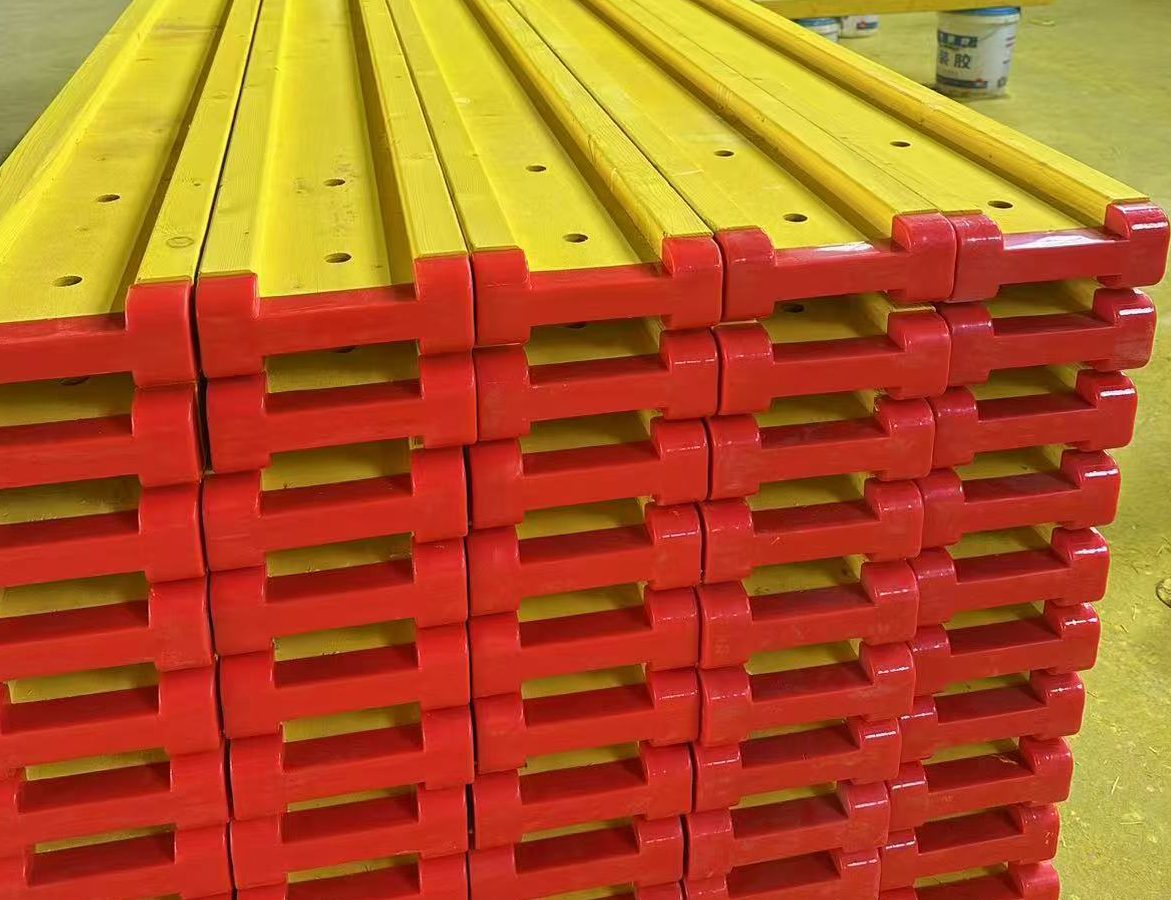
| Section | 200 × 80 mm nominal H20 envelope, with steel edge protection |
|---|---|
| Edge | Steel caps take the stripping damage that starts a split in a plain timber beam |
| Limit | The steel protects the edge; it does not add capacity — the load case is still the drawing |
| Web | Timber web behind the steel edge, so the beam stays light enough to set by hand |
| Use | Repeat-use formwork where beams are stripped and re-set many times |
| Standard | EN 13377, prefabricated timber formwork beams |
| Length | Cut to the pour sequence; standard lengths confirmed at quotation |
They take the stripping damage that starts a split in a timber beam
The section is unchanged, so the load case is still set by the drawing
The steel protects the edge; it does not make the beam stronger
Kept light enough to set by hand, with the steel where the abuse lands
A steel-form H20 beam: the EN 13377 200 × 80 mm nominal envelope with steel edge protection on a timber web. The steel is there to take the abuse that splits a plain timber beam.
It is worth being precise about what that buys. A timber beam between pours gets pried, dropped and knocked, and the edge is where a split starts and where a beam quietly loses its section. The steel cap absorbs that, so the timber underneath keeps the profile it was designed with and the beam survives more strip-and-re-set cycles. What the steel does not do is add capacity: the section is the same H20 envelope, and the load case is still set by the formwork drawing. A beam with a steel edge is not a stronger beam, it is a longer-lived one. That makes the choice commercial rather than structural — it pays on a project with many re-uses or a crew that handles beams roughly, and it does not pay on a single-pour job where the plain timber beam does the same work for less. The weight is the trade-off, and it matters if beams are set by hand.
Tell us the number of re-uses and how the beams are handled, and we will say whether the steel edge earns its cost on your programme.
Beams stripped and re-set many times, where the edge takes the wear
Crews new to the system, where a timber edge would be pried and split
A beam that has to survive being moved between jobs
Where the beam edge meets the lifting equipment
1 × 20ft container, mixed across products where the mix suits the project. A sample box can be arranged before the first container.
Yes. Send the product and the size you are specifying, and we will confirm the sample and the lead time for it.
Stripping damage. A timber beam gets pried, dropped and knocked at its edges between pours, and the edge is where a split starts. The steel cap takes that abuse so the timber web underneath keeps its section.
No. The section is the same H20 envelope and the load case is still set by the formwork drawing. The steel extends service life on a beam that is stripped and re-set repeatedly; it does not buy extra capacity.
On a project with many re-uses, or where the beams are handled roughly or by a crew that is not familiar with them. On a single-pour job the plain timber beam does the same structural work for less.
Yes, and that shows in manual handling. If the crew sets beams by hand all day, the weight is a real consideration alongside the durability gain.
Final packing, freight and loading plan are confirmed in writing on the order quotation.
50 × 150 mm section · interior ceiling
50 × 90 mm section · interior ceiling
50 × 75 mm section · interior ceiling
50 × 60 mm section · interior ceiling
40 × 45 mm section · interior ceiling
Tell us the size, the quantity and the destination port. We will come back with price, lead time and the packing plan.
The product name and SKU are filled in for you.
Send drawings or specs — we reply in one business day