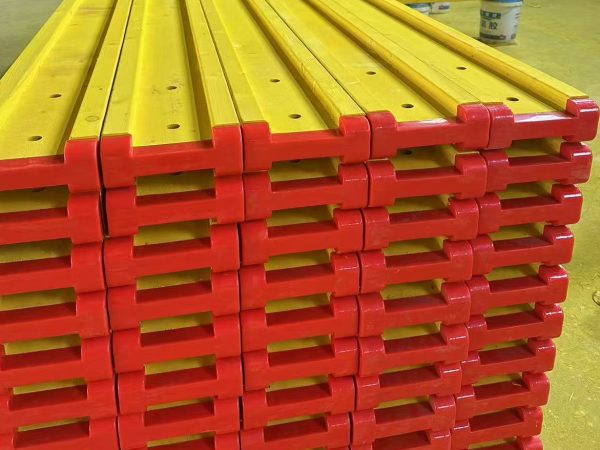
Steel-form H20 Beam
- Section 200 × 80 mm nominal H20 envelope, with steel edge protection
- Edge Steel caps take the stripping damage that starts a split in a plain timber beam
H20-4189D9
Get a Quote
| Section | 200 × 80 mm nominal H20 profile per EN 13377 |
|---|---|
| Type | Solid timber beam, planed and end-sealed — no steel edge |
| End sealing | End grain takes up water fastest, and water in the end grain starts a split along the length |
| Load case | The section governs the load, not the length — confirm the section against the drawing |
| Use | Formwork support: wall and slab systems, deck joists, soldier and waler runs |
| Standard | EN 13377, prefabricated timber formwork beams |
| Length | Cut to the pour sequence; standard lengths confirmed at quotation |
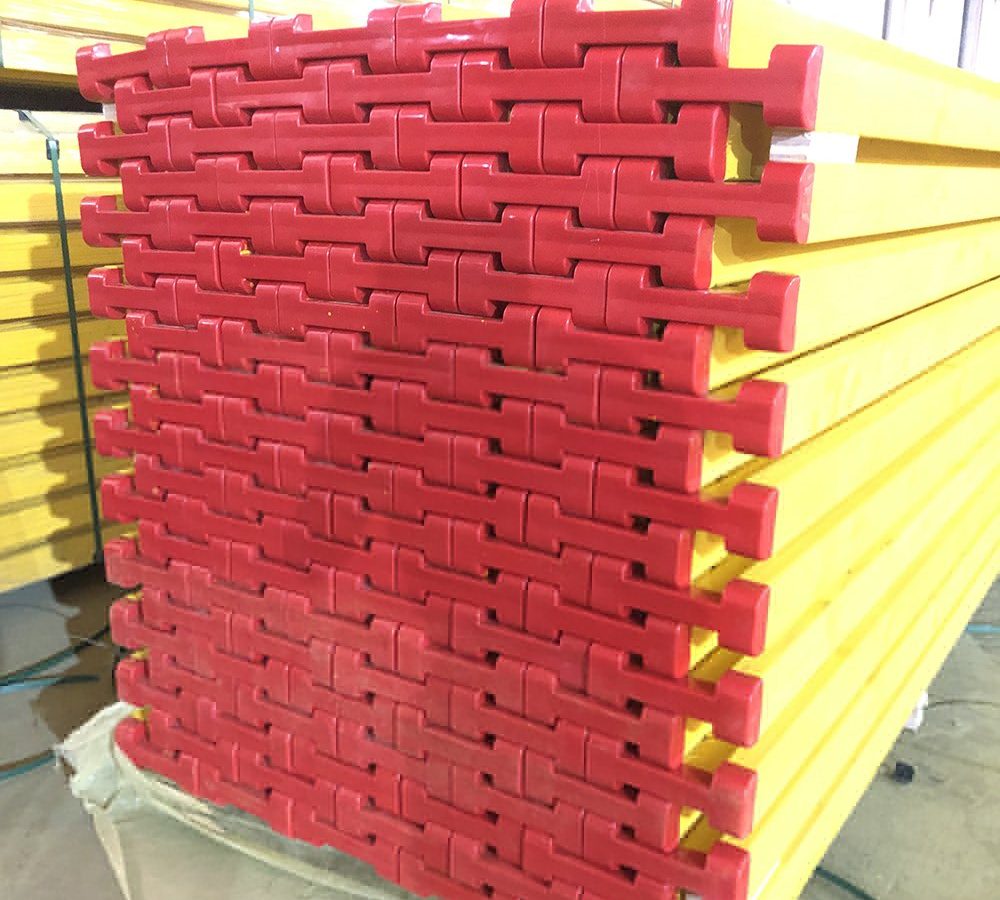
200 × 80 mm nominal H20 section, which is what the designation means
The section governs, so the beam is confirmed against the drawing
End grain is where water enters and where a split starts
Light enough to set by hand where the edge is not being pried
A solid timber H20 formwork beam to EN 13377, at the 200 × 80 mm nominal H20 section, planed and end-sealed and cut to the lengths the pour sequence needs.
The designation is worth understanding before specifying: H20 refers to a 200 mm deep section, and depth is what carries the load in a formwork beam. That is why the section, not the length, is the number to confirm against the formwork drawing — a beam can be cut to suit a deck, but it cannot be made deeper on site. These are used as the primary support in wall and slab systems, as deck joists, and in soldier and waler runs, and they work alongside a film faced plywood form face rather than instead of it. End sealing is not cosmetic: end grain takes up water faster than any other face, and water in the end grain is what shortens a timber beam’s life between pours and what starts a split running along its length. Where a beam is cut on site the end must be re-sealed, and the cut also changes the span it can be used over.
Send the formwork drawing and the pour sequence, and we will confirm the section and the lengths against the system rather than quoting a beam by name alone.
The primary support under the plywood face on a slab pour
Soldier and waler runs on a repetitive pour cycle
Heavier load cases where the beam is checked against the drawing
Repeated lifting and stripping, where the end detail has to survive
1 × 20ft container, mixed across products where the mix suits the project. A sample box can be arranged before the first container.
Yes. Send the product and the size you are specifying, and we will confirm the sample and the lead time for it.
200 × 80 mm nominal, which is what the H20 designation refers to — the 200 is the depth in millimetres and the depth is what carries the load. If a supplier quotes an H20 beam at a different section, ask what standard it is actually made to.
Ask for the capacity data for the section with the enquiry. We will not put a capacity figure in a quotation without the beam's own data behind it, because a number without a source is worse than no number on a structural item.
Because the end grain is where a beam takes up water fastest, and water in the end grain is what shortens its life between pours. A sealed end also stops the beam splitting along the length from the end.
Same H20 envelope and same standard; the difference is the edge protection. The steel-form version takes site abuse at the edge that would damage a plain timber beam.
Final packing, freight and loading plan are confirmed in writing on the order quotation.
50 × 150 mm section · interior ceiling
50 × 90 mm section · interior ceiling
50 × 75 mm section · interior ceiling
50 × 60 mm section · interior ceiling
40 × 45 mm section · interior ceiling
Tell us the size, the quantity and the destination port. We will come back with price, lead time and the packing plan.
The product name and SKU are filled in for you.
Send drawings or specs — we reply in one business day