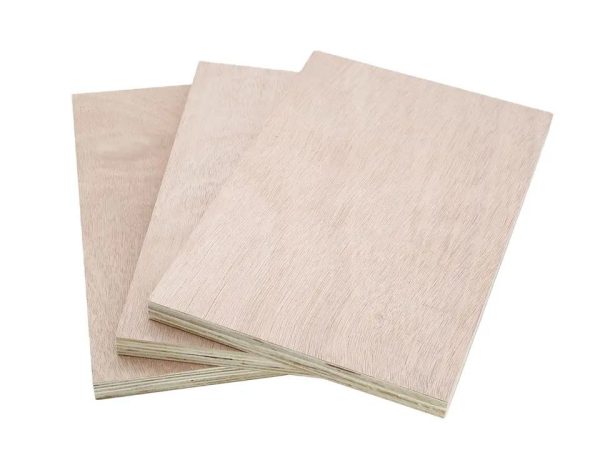
1220x2440mm
Commercial Plywood
- Size 1220 × 2440 mm and 1250 × 2500 mm, or cut to size
- Thickness 2–30 mm
COM-120251
Get a Quote
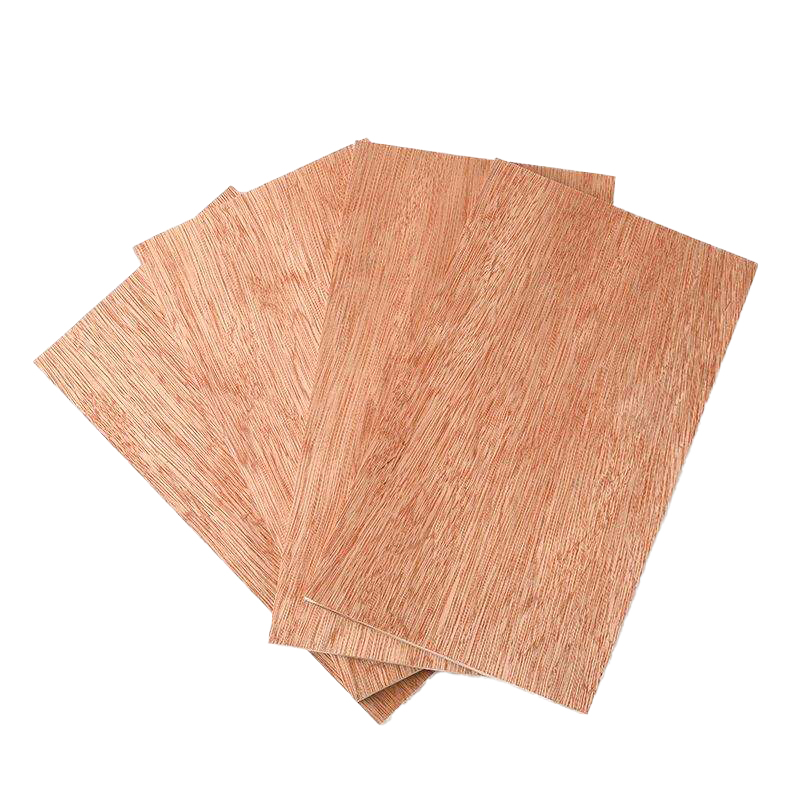
1220x2440mm
| Size | 1220 × 2440 mm and 1250 × 2500 mm, or cut to size |
|---|---|
| Thickness | 2–30 mm |
| Glue line | WBP — the reason it can be used where the panel is permanently wet or exterior |
| Core | Hardwood core, void-free face plies, sanded both sides |
| Face grade | Selected for a consistent face; marine use is about the glue and the voids, not the species alone |
| Use | Wet and exterior service: boat interiors, wet rooms, exterior joinery, exterior signage |
| Note | Marine grade is a glue-and-void standard. Confirm the exposure class with us before specifying. |
Survives boiling water and repeated wetting, which is what the grade means
No gap for water to track along from a cut edge
A consistent face on both faces, so either can be shown
Every cut is an opening into the veneer and has to be sealed
Marine plywood, built on a WBP glue line with void-free face plies and sanded both sides, in 1220 × 2440 mm and 1250 × 2500 mm from 2 mm to 30 mm.
The grade is defined by two things, and neither of them is the species. The first is the glue line: WBP survives boiling water and repeated wetting, which is what allows the panel into wet and exterior service. The second is the voids, because a gap between veneers lets water track along the panel from a cut edge, and void-free face plies close that path. A hardwood face on an ordinary glue line is not a marine panel, and that substitution is common enough to be worth checking on any quoted price. It is used for boat interiors, wet rooms, exterior joinery and exterior signage. It is not a panel for permanent immersion — below the waterline is a different specification entirely. Edges matter more here than on a standard panel: every cut is an opening into the veneer, so edges and fixing holes should be sealed before installation in a damp location, and the extra weight should be planned for in the fixing.
Tell us the exposure the panel will see before specifying, and confirm the edge-sealing detail alongside the board, since the two belong together.
Wet service below deck, where the glue line is doing the work
A panel that takes repeated wetting and drying
Exterior service where a standard glue line would fail
Weather outside and condensation inside, on the same panel
1 × 20ft container, mixed across products where the mix suits the project. A sample box can be arranged before the first container.
Yes. Send the product and the size you are specifying, and we will confirm the sample and the lead time for it.
The glue line and the voids. A WBP glue line survives boiling water and repeated wetting, and void-free face plies stop water tracking along a gap in the veneer. The species is secondary — a hardwood face on a poor glue line is not a marine panel.
No. It is for wet and exterior service, not permanent immersion. If the panel is going below the waterline that is a different specification and we would not quote this product for it.
Yes, and more than a standard panel does. Every cut edge is an opening into the veneer, so seal the edges and any fixing holes before installation in a damp location.
Somewhat, because the core is denser and the plies are selected. Plan the fixing for the weight, particularly overhead.
Final packing, freight and loading plan are confirmed in writing on the order quotation.
1220x2440mm
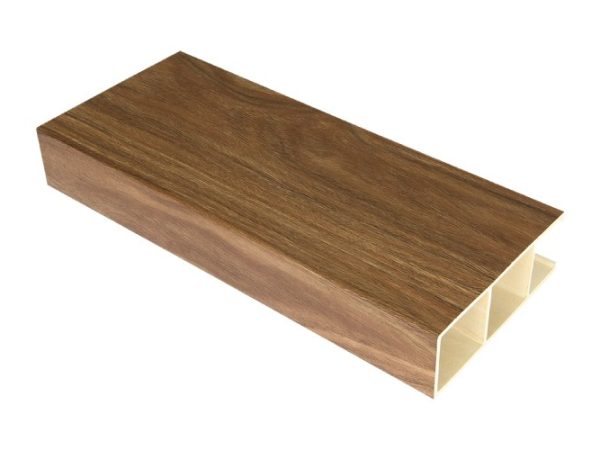
50 × 150 mm section · interior ceiling
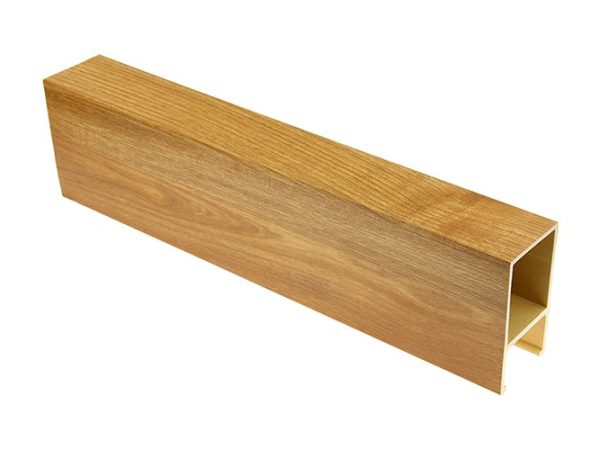
50 × 90 mm section · interior ceiling
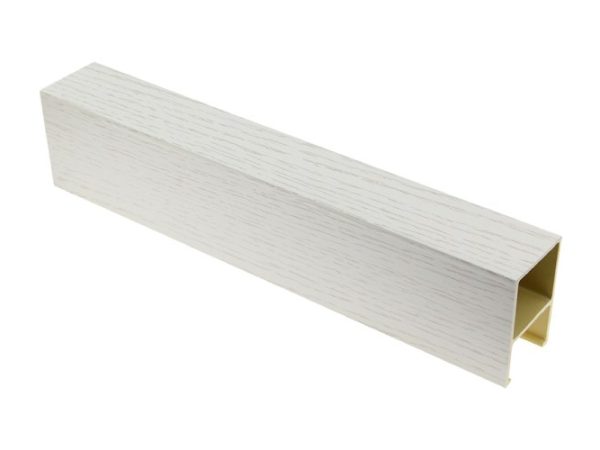
50 × 75 mm section · interior ceiling
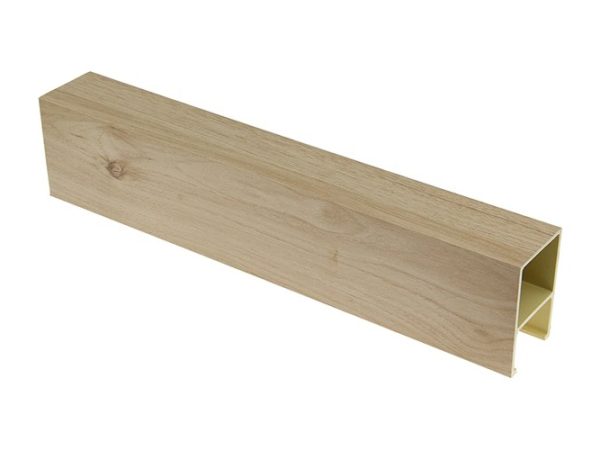
50 × 60 mm section · interior ceiling
40 × 45 mm section · interior ceiling
Tell us the size, the quantity and the destination port. We will come back with price, lead time and the packing plan.
The product name and SKU are filled in for you.
Send drawings or specs — we reply in one business day