Aluminium Composite UV Board
- Core Aluminium composite — a metal skin over a mineral-filled core
- Rigidity Flat and rigid without a heavy substrate behind it
UV-B0E7DD
Get a Quote
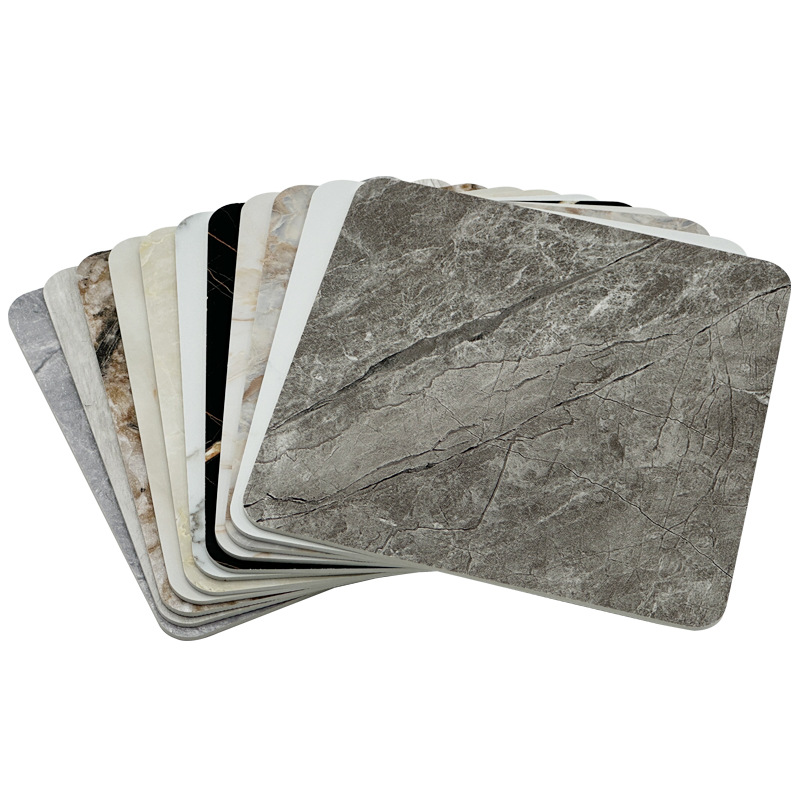
Marble, solid colour and wood-grain surfaces
| Surface | UV-cured coating — a cured film, not a melamine paper overlay |
|---|---|
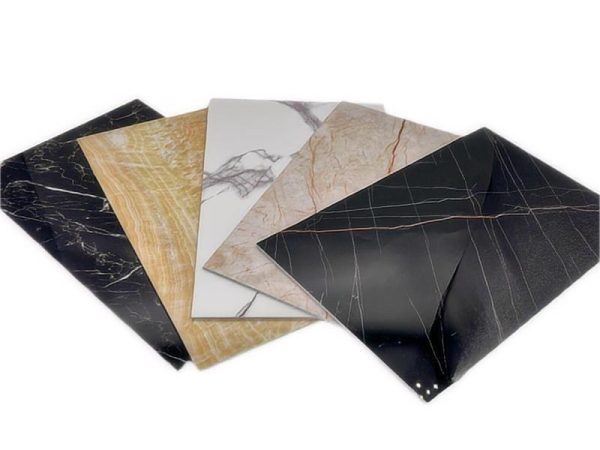
| Face range | Marble, solid colour and wood-grain faces |
| Substrate | MDF, PVC or plywood under the coating; the substrate decides the weight and the edge |
| Format | 1220 × 2440 mm (4 × 8 ft) and 1220 × 2800 mm, in 3 mm to 18 mm |
| Edge | Cuts like a board, so a visible edge needs a band or a trim |
| Limit | Interior only; a cut edge left unsealed will take up moisture |
| Standard | SGS tested. CE documentation supplied with EU-bound orders. |
A cured film that is part of the surface, not a melamine paper overlay
The coating resists yellowing in a way a paper face does not
MDF for a machined edge, plywood for handling, PVC for weight
A cut edge takes up moisture whatever the face is doing
A decorative board with a UV-cured coating on a rigid substrate. The coating is a cured film that becomes part of the surface rather than a melamine paper pressed onto it, which is why it is harder and why it resists yellowing over time.
It comes in marble, solid colour and wood-grain faces on MDF, PVC or plywood, from 3 mm to 18 mm, so it covers everything from a cabinet door to a wall lining. The substrate choice is the decision that shapes the job: MDF for a flat face and a clean machined edge, plywood where the board takes more handling, PVC where weight or moisture matters. It is an interior product for wall, column and ceiling cladding, and the edge is the detail that gets forgotten — a UV board cuts like a board, so a visible edge needs a band or a trim, and a cut edge left unsealed will take up moisture no matter what the face is doing. The marble face reads as stone at normal viewing distance and saves the weight and the joint of a slab; it is not a substitute where someone will run a hand over it expecting stone.
Confirm the substrate, the thickness and how the edges will be finished when you order, since all three are settled by the application rather than by the face.
A stone or timber appearance without the weight of the real thing
The board cuts and bends around a column without wet trades
A book-matched pattern across boards, at a joinery budget
Thin, flat and stable, where solid stone cannot be fixed
1 × 20ft container, mixed across products where the mix suits the project. A sample box can be arranged before the first container.
Yes. Send the product and the size you are specifying, and we will confirm the sample and the lead time for it.
A UV coating is a cured film that is part of the surface, so it is harder and it resists yellowing; a melamine face is a paper layer pressed on. The difference shows over years, in how the surface wears and how it holds colour.
MDF for a flat painted-look face and a clean machined edge, plywood where the board has to take more handling, PVC where weight or moisture matters. The substrate also decides the weight and how the edge finishes.
On the dry side, yes, with the edges sealed. It is not a wet-area lining, and a cut edge left unsealed will take up moisture whatever the face is doing.
It reads as a marble surface at normal viewing distance, and it saves the weight and the joint of a slab. It is not a stone substitute where someone will run a hand over it expecting stone.
Final packing, freight and loading plan are confirmed in writing on the order quotation.
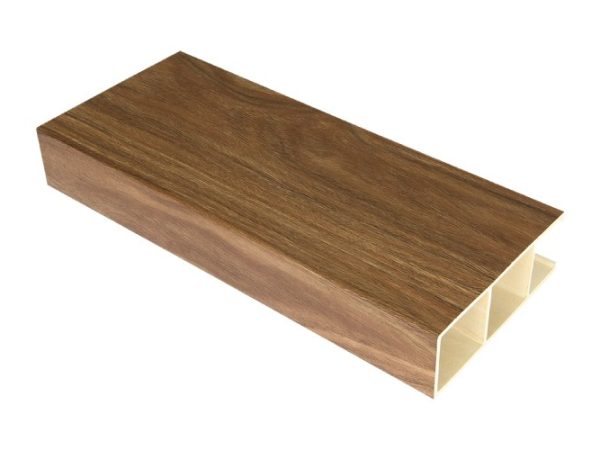
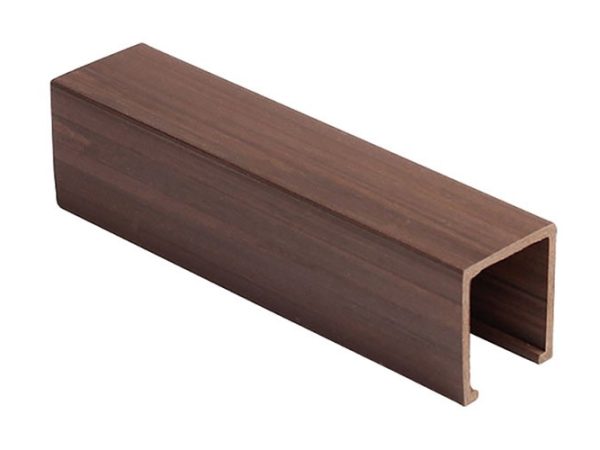
50 × 150 mm section · interior ceiling
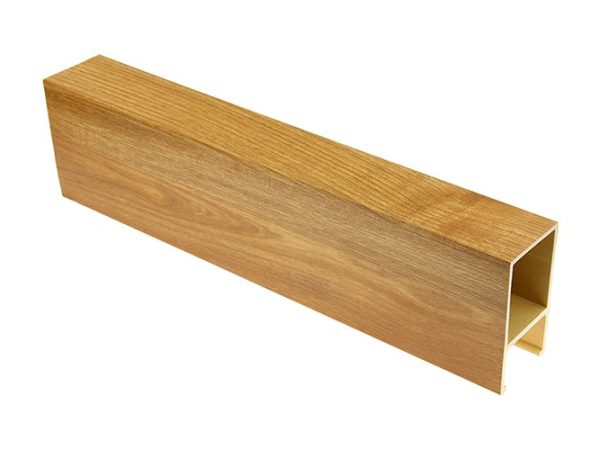
50 × 90 mm section · interior ceiling
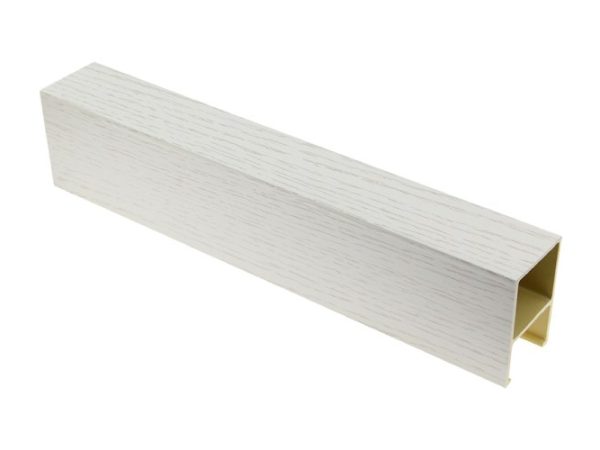
50 × 75 mm section · interior ceiling
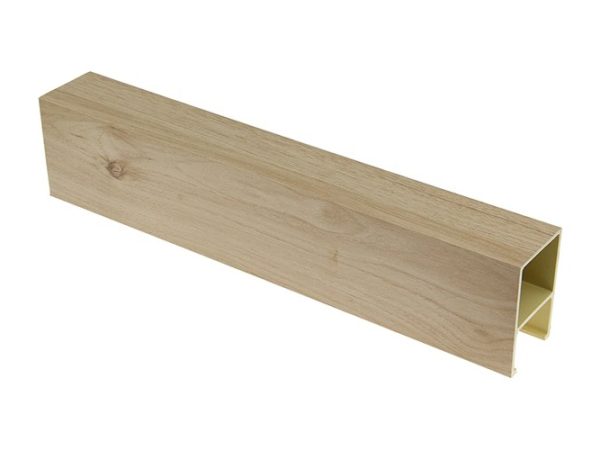
50 × 60 mm section · interior ceiling
40 × 45 mm section · interior ceiling
Tell us the size, the quantity and the destination port. We will come back with price, lead time and the packing plan.
The product name and SKU are filled in for you.
Send drawings or specs — we reply in one business day