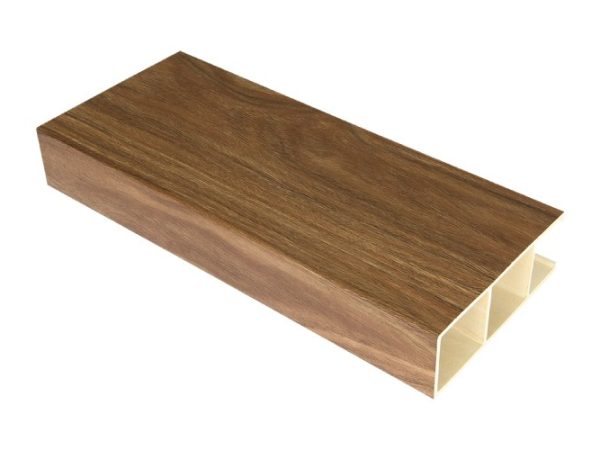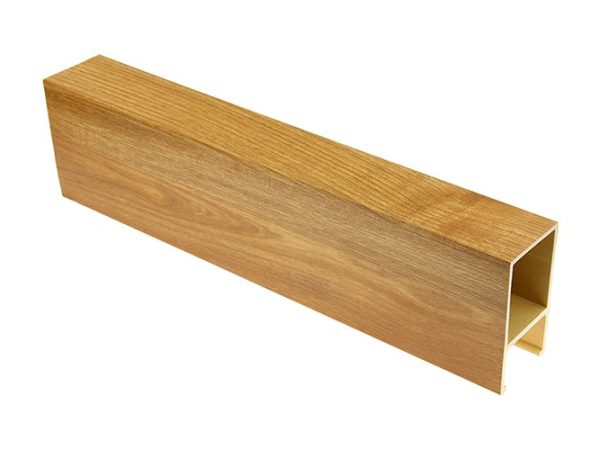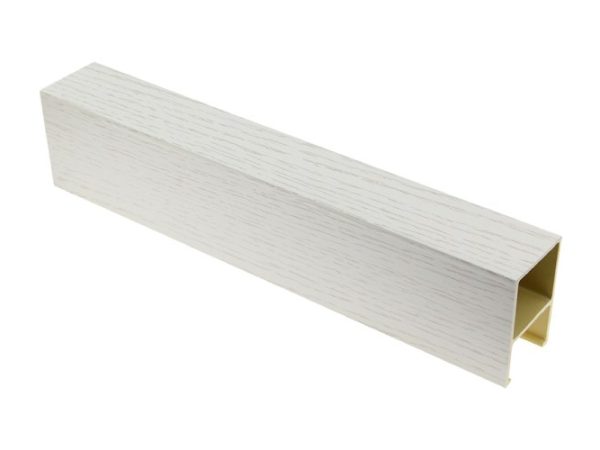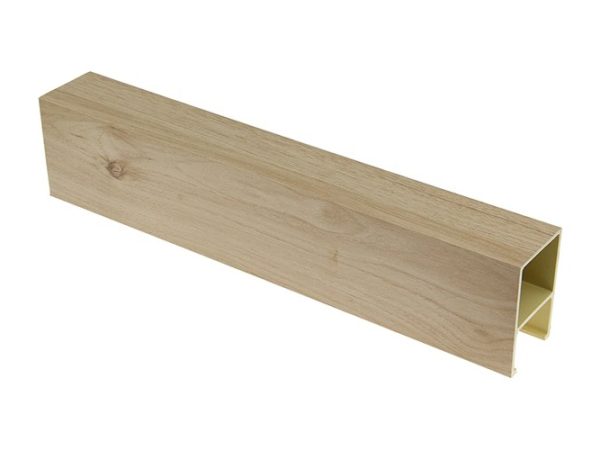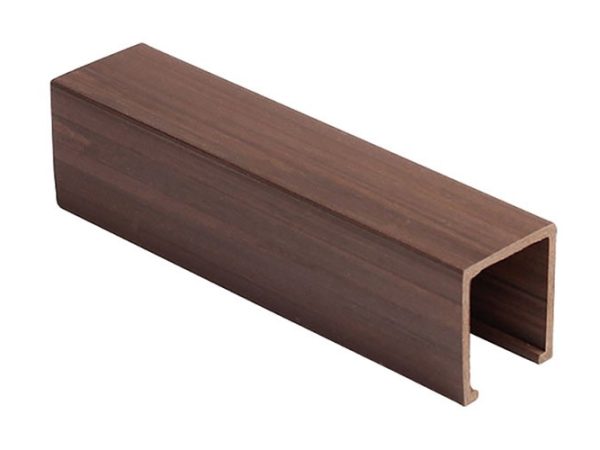
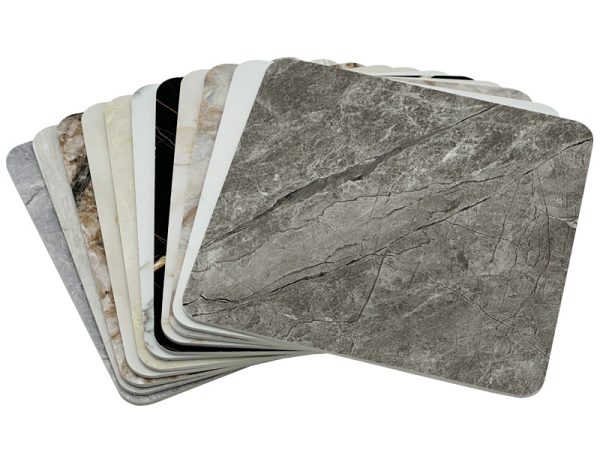
Marble, solid colour and wood-grain surfaces
UV Board
- Surface UV-cured coating — a cured film, not a melamine paper overlay
- Face range Marble, solid colour and wood-grain faces
UV-E8325C
Get a Quote
| Core | Aluminium composite — a metal skin over a mineral-filled core |
|---|---|
| Rigidity | Flat and rigid without a heavy substrate behind it |
| Humidity | Unaffected by humidity — the reason it is used where MDF would move |
| Format | 1220 × 2440 mm (4 × 8 ft) and 1220 × 2800 mm, in 3 mm to 18 mm |
| Edge | A cut edge shows the composite core, so it takes a trim or an edge band |
| Use | Interior wall linings, column casings and cabinet fronts |
| Standard | SGS tested. CE documentation supplied with EU-bound orders. |
A metal skin over a mineral-filled core, so the panel stays flat
No heavy substrate behind it, and no wave over a long lining
Where a board would move with the season, this does not
A cut edge takes a trim or a band, and on a column that edge is visible
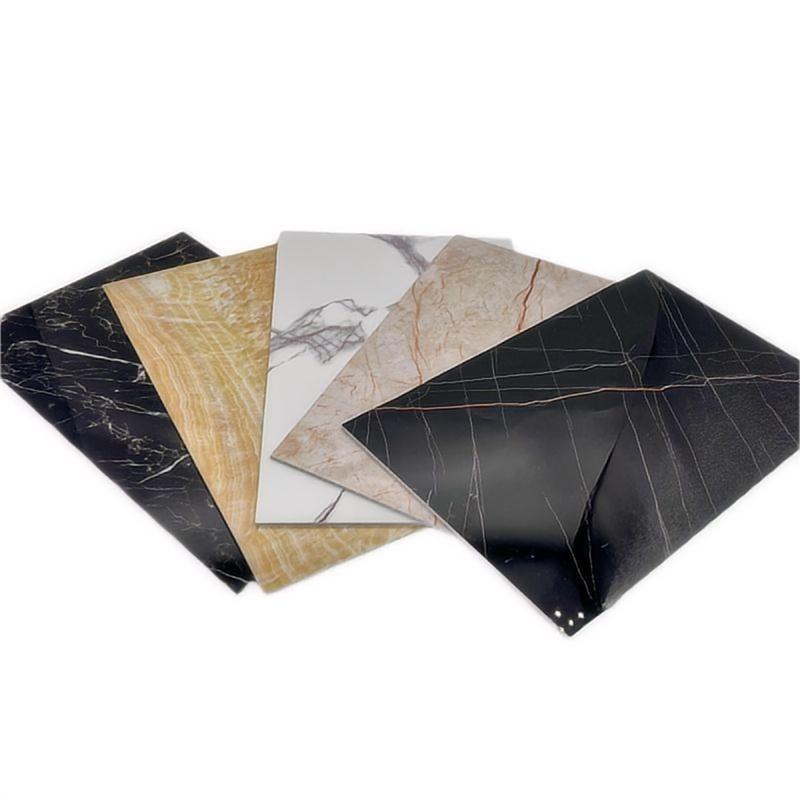
An aluminium composite board with a UV-cured decorative face: a metal skin over a mineral-filled core. Unlike a board on MDF, it stays flat and rigid without a heavy substrate behind it.
Those two properties are why it is specified. The panel stays flat over a large area, so a long wall lining or a tall column casing reads as a plane instead of showing the wave a board develops; and it does not move when the room’s humidity changes, which is where MDF gives trouble over a season. It is used for interior wall linings, column casings and cabinet fronts, with the same UV-cured face range as the standard board. It is lighter than an equivalent MDF panel but a thin sheet will take a set if it is leaned against a wall, so it should be stored and handled flat. Fixing is by bond or mechanical fixing depending on the substrate, though a large panel usually wants a rail or frame for alignment rather than being set out by eye. The edge is the detail to plan: a cut edge shows the composite core, so it takes a trim or band, and on a column casing that edge is on display.
Confirm the panel size, the substrate and the edge detail when you order, since a composite panel is less forgiving of a poor setting-out than a board is.
A casing that reads as a plane rather than a board with a wave
Where a board would show a joint and a composite reads as one sheet
Panels that have to stay flat against a hard-used surface
A face that does not move when the room's humidity does
1 × 20ft container, mixed across products where the mix suits the project. A sample box can be arranged before the first container.
Yes. Send the product and the size you are specifying, and we will confirm the sample and the lead time for it.
Flatness and humidity. The panel stays flat over a large area without a heavy substrate, and it does not move when the room's humidity changes. That matters on a long wall lining or a tall column casing where a board would show a wave.
Lighter than the equivalent MDF panel for the same size, because the core is a composite. Handle it by the edges and store it flat, since a thin panel will take a set if it is leaned.
It can be bonded or mechanically fixed depending on the substrate, but a large panel usually wants a frame or a rail for alignment. Tell us the wall and we will confirm the fixing.
Yes. A cut edge shows the composite core, so it takes a trim or an edge band. On a column casing that detail is visible and worth planning.
Final packing, freight and loading plan are confirmed in writing on the order quotation.
Marble, solid colour and wood-grain surfaces
50 × 150 mm section · interior ceiling
50 × 90 mm section · interior ceiling
50 × 75 mm section · interior ceiling
50 × 60 mm section · interior ceiling
40 × 45 mm section · interior ceiling
Tell us the size, the quantity and the destination port. We will come back with price, lead time and the packing plan.
The product name and SKU are filled in for you.
Send drawings or specs — we reply in one business day