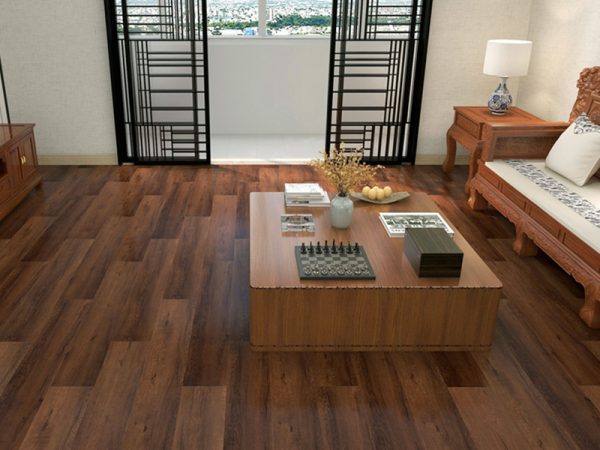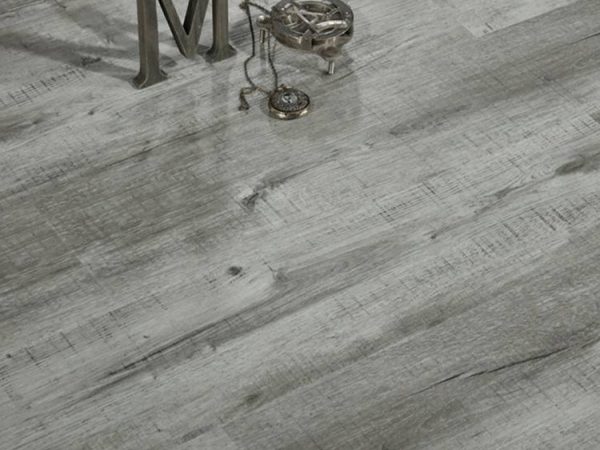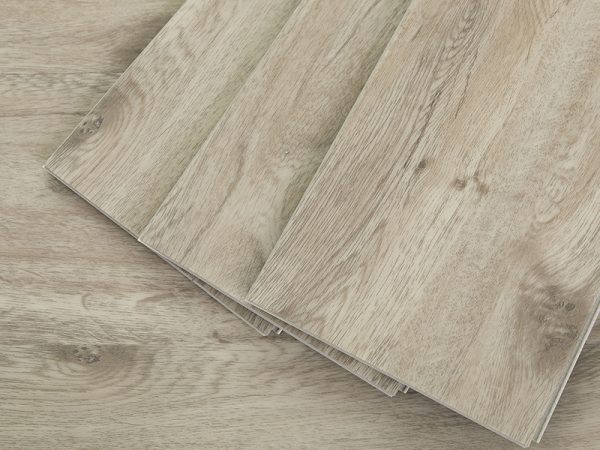
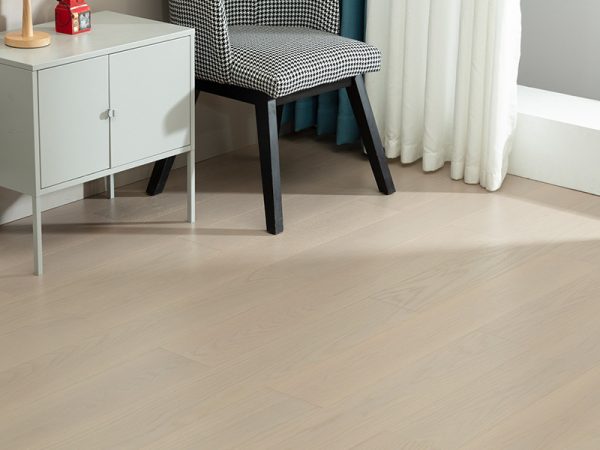
4 mm and 5.5 mm rigid core · click-lock · IXPE pad
Click-lock SPC Flooring
- Thickness 4 mm and 5.5 mm rigid core
- Edge Click-lock — the plank joins to its neighbour and locks without adhesive
SPC-C17D57
Get a Quote
| Thickness | Core thickness selected to the traffic — self-adhesive format, confirmed at quotation |
|---|---|
| Backing | Peel-and-stick adhesive backing, factory applied |
| Edge | Square or micro-bevel — confirm which edge suits the layout |
| Wear layer | Match to the traffic; heavier layer for commercial refurbishment |
| Material | Rigid mineral core of PVC and calcium carbonate with stabilisers |
| Installation | Bonded direct to a sound, flat, prepared substrate — no floating |
| Use | Refurbishment over a sound substrate where the finished floor height is fixed |
| Standard | SGS tested. CE documentation supplied with EU-bound orders. |
Factory-applied adhesive, so there is no site glue and no curing time
Bonds direct, so it gains less height than a floating system
Bonds only to a sound, flat, clean and dry substrate
Lifting the floor destroys the plank, so access has to be planned elsewhere
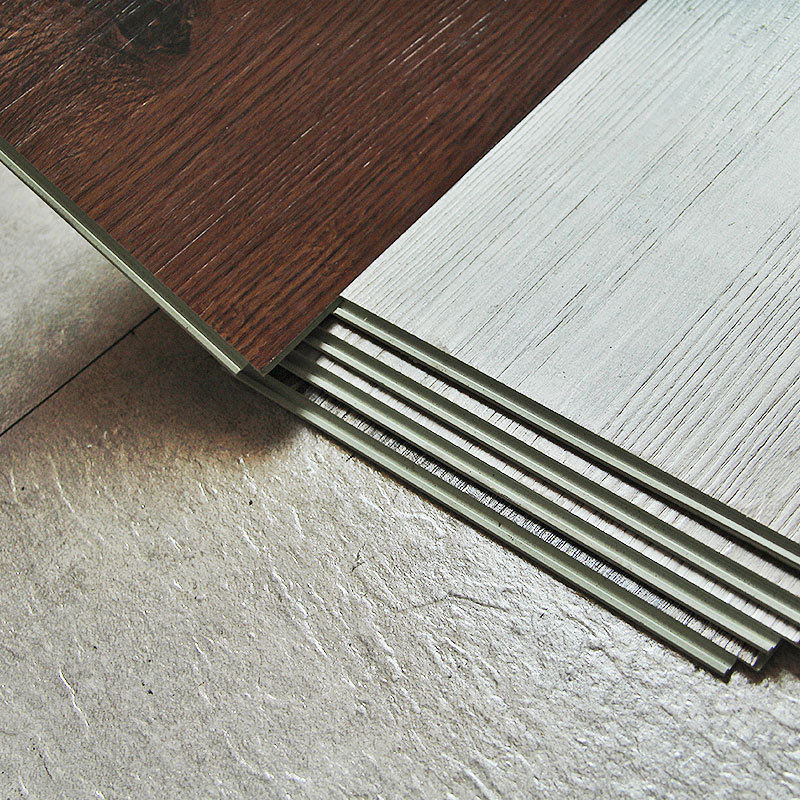
A rigid-core SPC plank with a peel-and-stick adhesive backing applied at the factory. It is a bonded floor rather than a floating one, so it goes down direct onto a prepared substrate, and it adds less height than a floating system with a separate underlay.
Its case is refurbishment where the finished floor height is already fixed — by a door threshold, a lift sill, or a run of joinery that cannot be cut down. In those conditions a bonded plank is the only way to keep the floor level, and the factory-applied adhesive takes the guesswork out of the bond. The catch is the substrate. Adhesive needs a sound, flat, clean and dry surface: a screed, a well-bonded tile, or a sound existing floor. Dust, curing compound and loose material are what cause a bond failure, and they are exactly what a fast refurbishment tends to skip. It is also irreversible — lifting the floor destroys the plank, so where access below matters, the loose-lay product is the right choice instead. Planks should be acclimatised in the room before the backing is peeled, because a plank that wants to move will pull on the bond.
Confirm the substrate condition and the height you have to work to when you enquire, and check the edge detail against the existing thresholds.
The door head and lift sill are set, so the floor cannot gain height
Tiled floors replaced without stripping back to the slab
A bonded floor that meets a cleaning routine and stays tight
The mall threshold height is not negotiable
1 × 20ft container, mixed across products where the mix suits the project. A sample box can be arranged before the first container.
Yes. Send the product and the size you are specifying, and we will confirm the sample and the lead time for it.
In a refurbishment where the finished floor height is fixed by a door threshold or a lift sill, and where the substrate is sound enough to bond to. It adds less height than a floating system with a separate underlay.
A sound, flat, clean and dry one — a screed, a well-bonded tile, or a sound existing floor. Dust, curing compound and loose material are what cause a bond failure, and they are the things a quick refurbishment skips.
It is a bonded floor, so lifting it destroys the plank. If access below matters, use the loose-lay product instead.
Yes. Let the planks sit in the room at the service temperature before peeling the backing, or the bond is being asked to hold a plank that wants to move.
Final packing, freight and loading plan are confirmed in writing on the order quotation.
4 mm and 5.5 mm rigid core · click-lock · IXPE pad
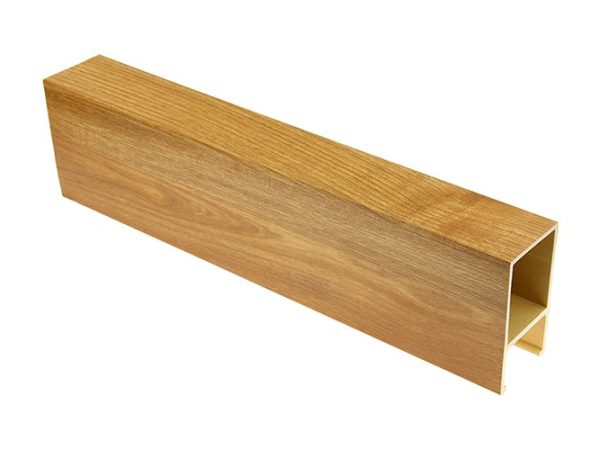
50 × 150 mm section · interior ceiling
50 × 90 mm section · interior ceiling
Tell us the size, the quantity and the destination port. We will come back with price, lead time and the packing plan.
The product name and SKU are filled in for you.
Send drawings or specs — we reply in one business day