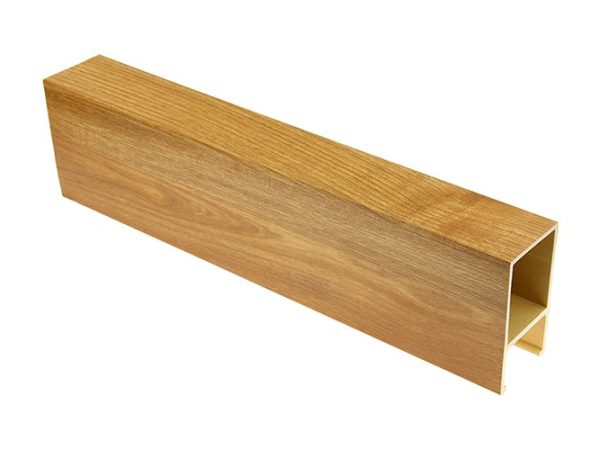
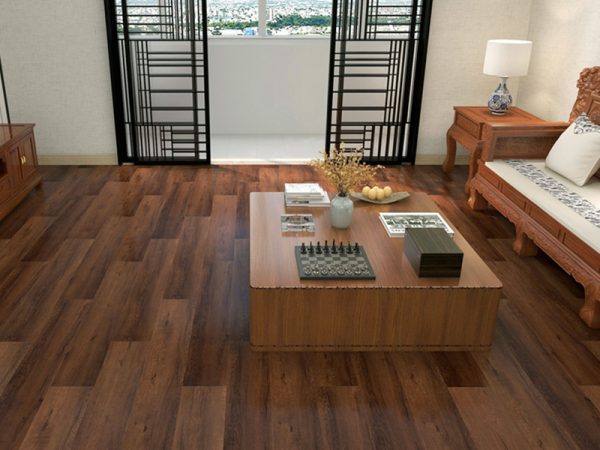
Loose Lay SPC Flooring
- Thickness Core thickness selected to the traffic — loose-lay format, confirmed at quotation
- Edge Loose lay — no click, no adhesive; the plank holds by friction and weight
SPC-B4F68A
Get a Quote
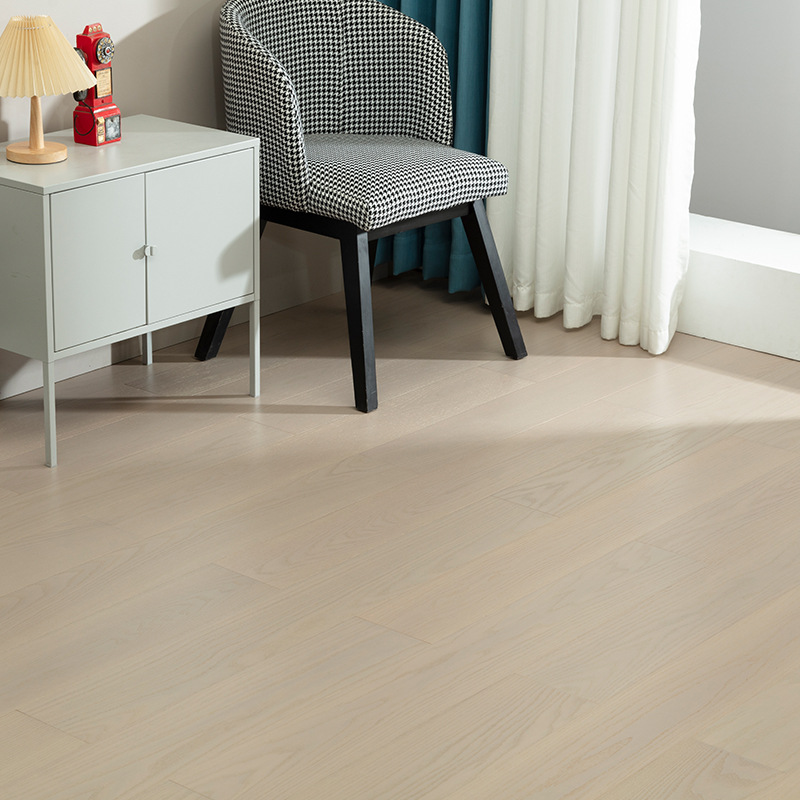
4 mm and 5.5 mm rigid core · click-lock · IXPE pad
| Thickness | 4 mm and 5.5 mm rigid core |
|---|---|
| Edge | Click-lock — the plank joins to its neighbour and locks without adhesive |
| Backing | IXPE pad factory-bonded |
| Wear layer | 0.2 mm / 0.3 mm / 0.5 mm — match to the traffic, not to the price |
| Formats | Plank and tile formats; confirm the format against the layout |
| Material | Rigid mineral core of PVC and calcium carbonate with stabilisers |
| Installation | Floating. No adhesive, no curing time, over a flat and dry subfloor |
| Standard | SGS tested. CE documentation supplied with EU-bound orders. |
The plank locks to its neighbour, so no adhesive and no curing time
4 mm and 5.5 mm, and the choice follows the subfloor and the traffic
IXPE pad is already on the back, so there is no separate underlay to lay
The floor moves as one sheet, which makes the expansion gap the critical detail
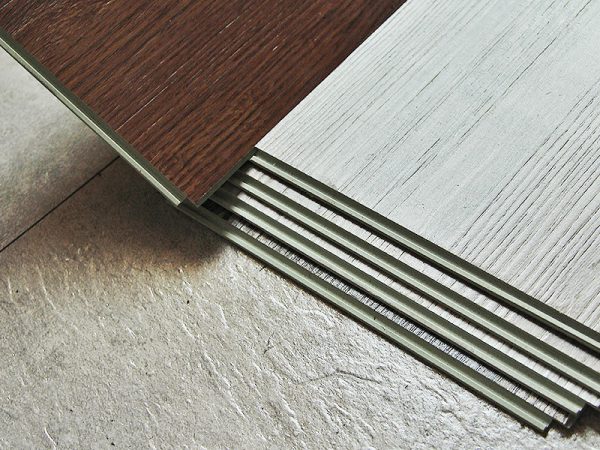
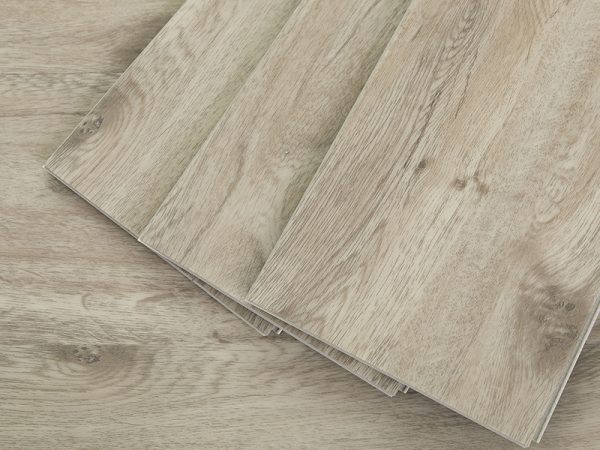
A rigid-core SPC plank with a click-lock edge, supplied with the IXPE pad already bonded to the back. It comes in 4 mm and 5.5 mm cores, and it is laid floating — the plank joins to its neighbour and locks without adhesive, so there is no glue and no curing time on site.
The choice between the two thicknesses is about what is under the floor and what crosses it, not about quality. Over a flat, sound subfloor in a domestic room, 4 mm is sufficient. Where the subfloor has minor variation, or where the floor takes trolleys and heavier traffic, 5.5 mm is more forgiving because there is more core to spread a point load over. Neither thickness repairs a bad subfloor, and that is where most failures start: a click floor laid over unfilled grout lines or a springy board will flex, and a flexing joint eventually opens. Because the pad is factory-bonded, a separate underlay is not normally needed, which keeps the finished floor height predictable. An expansion gap at every wall and around every fixed object is not optional, and an over-tight fit is the most common single cause of a lifted joint.
Confirm the subfloor condition and the traffic the floor will take before choosing between 4 mm and 5.5 mm, and check the format against the room layout so the plank lengths work out.
Laid over a sound existing floor with no adhesive and no drying time
Rooms come back into service the same day, which is the real constraint on a refit
A waterproof floor that takes a wipe-down routine between patients
Water on the floor is routine, and the rigid core does not swell
1 × 20ft container, mixed across products where the mix suits the project. A sample box can be arranged before the first container.
Yes. Send the product and the size you are specifying, and we will confirm the sample and the lead time for it.
By what is under it and what crosses it. Over a flat, sound subfloor in a domestic room, 4 mm is enough. Where the subfloor has minor variation, or the floor takes heavier traffic, 5.5 mm is more forgiving because there is more core to spread a point load. Neither fixes a bad subfloor.
The rigid core handles the temperature, but the click joint is the part that has to be checked against the heating system's surface limits. Tell us the system and the set temperature and we will confirm.
Yes if the tile is sound, flat and well bonded, with the grout lines filled and levelled. A click floor over uneven grout will flex and the joint will eventually fail.
An expansion gap at every wall and around every fixed object, with the skirting covering it. A tight fit to the wall is the most common cause of a lifted joint.
Final packing, freight and loading plan are confirmed in writing on the order quotation.
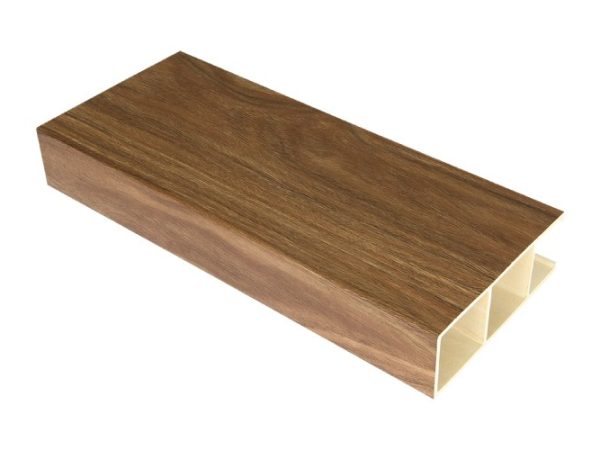
50 × 150 mm section · interior ceiling
50 × 90 mm section · interior ceiling
Tell us the size, the quantity and the destination port. We will come back with price, lead time and the packing plan.
The product name and SKU are filled in for you.
Send drawings or specs — we reply in one business day