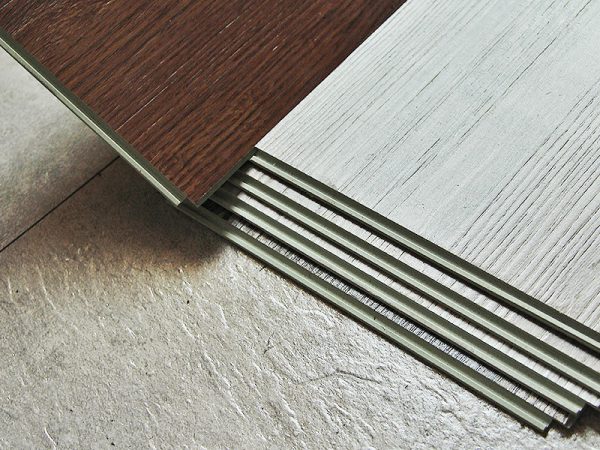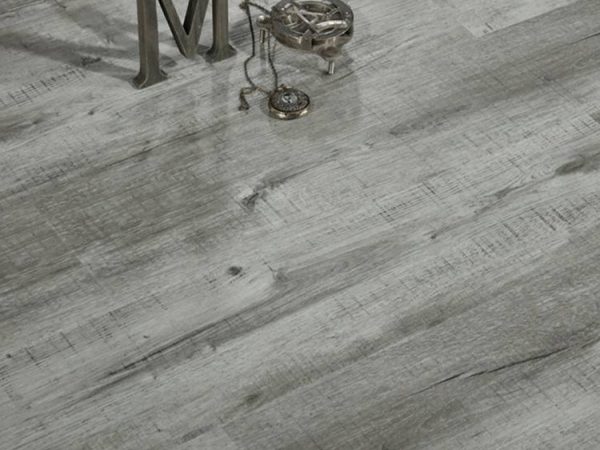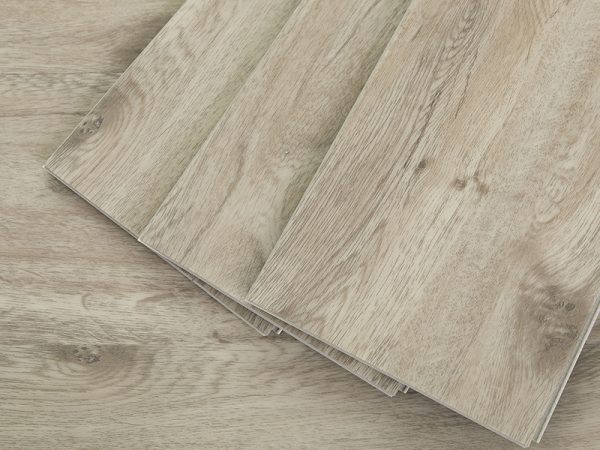
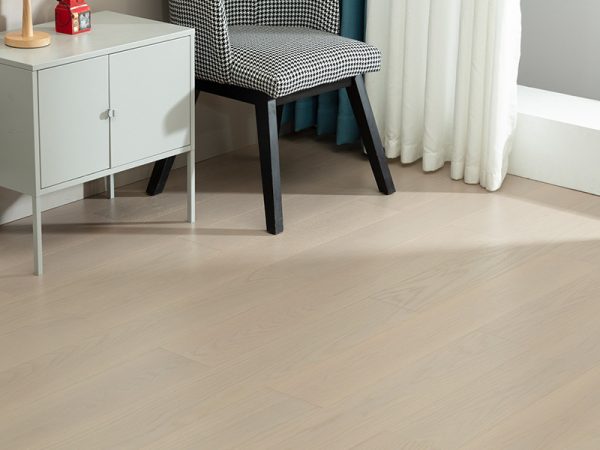
4 mm and 5.5 mm rigid core · click-lock · IXPE pad
Click-lock SPC Flooring
- Thickness 4 mm and 5.5 mm rigid core
- Edge Click-lock — the plank joins to its neighbour and locks without adhesive
SPC-C17D57
Get a Quote
| Thickness | Core thickness selected to the traffic — loose-lay format, confirmed at quotation |
|---|---|
| Edge | Loose lay — no click, no adhesive; the plank holds by friction and weight |
| Backing | Factory-bonded pad for grip and for sound |
| Wear layer | Match to the traffic; commercial areas need the heavier layer |
| Material | Rigid mineral core of PVC and calcium carbonate with stabilisers |
| Installation | Loose lay over a flat, dry, dimensionally stable subfloor |
| Access | Planks lift individually for access to services below |
| Standard | SGS tested. CE documentation supplied with EU-bound orders. |
The plank holds by friction and weight, with no click and no adhesive
Individual planks lift and re-seat, so the floor opens over a service void
The skirting holds the edge, so the room has to be closed in
Water between plank and subfloor defeats friction, so wet areas are out
A rigid-core SPC plank in a loose-lay format: no click edge and no adhesive. The plank holds by friction and weight over a stable subfloor, with the perimeter held by the skirting, and individual planks lift out and go back down.
That access is the entire argument for the product. A floor over a service void, or over a raised access floor in an office, can be opened without cutting and destroying the finish — which is worth a premium in a building where cables move and pointless in a bedroom. The plank is heavy and the factory-bonded backing grips, so under normal traffic the floor stays put, but the conditions matter more than they do for a click floor: the subfloor has to be flat, dry and dimensionally stable, and the room has to be closed in so the perimeter is held. Wet areas are the limit, because water between the plank and the subfloor defeats friction, so a commercial kitchen or a bathroom needs a bonded or click product instead. If a loose-lay floor starts to gap in the field it is usually the subfloor moving rather than the plank.
Confirm the subfloor, the perimeter detail and how often the floor needs to be opened when you enquire, since those decide whether loose lay is the right system at all.
Floor tiles lift for cabling, and the finish goes back down
Service boxes stay reachable without cutting the floor
Cabling changes with the fit-out, so the floor has to allow it
The floor goes down and comes up again between events
1 × 20ft container, mixed across products where the mix suits the project. A sample box can be arranged before the first container.
Yes. Send the product and the size you are specifying, and we will confirm the sample and the lead time for it.
By friction and weight over a stable subfloor, with the perimeter held by the skirting. The plank is heavy and the backing grips, so the floor stays put under normal traffic — but the subfloor has to be flat and the room has to be closed in.
Access. Individual planks lift and go back down, so a floor over a service void or a raised access floor can be opened without destroying it. That is worth a premium in an office and is pointless in a bedroom.
Only where the subfloor stays dry. Loose lay relies on friction, and water between the plank and the subfloor defeats it. Wet areas need a bonded or click floor.
At the perimeter, yes, which is why the skirting or trim has to hold the edge. In the field they settle. A loose-lay floor that starts to gap is usually a subfloor movement problem rather than the product.
Final packing, freight and loading plan are confirmed in writing on the order quotation.
4 mm and 5.5 mm rigid core · click-lock · IXPE pad
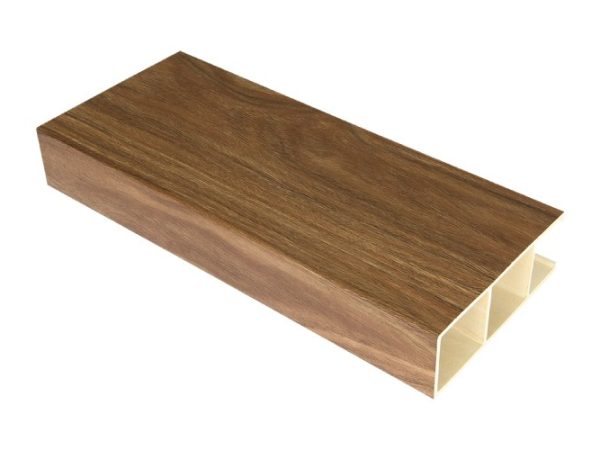
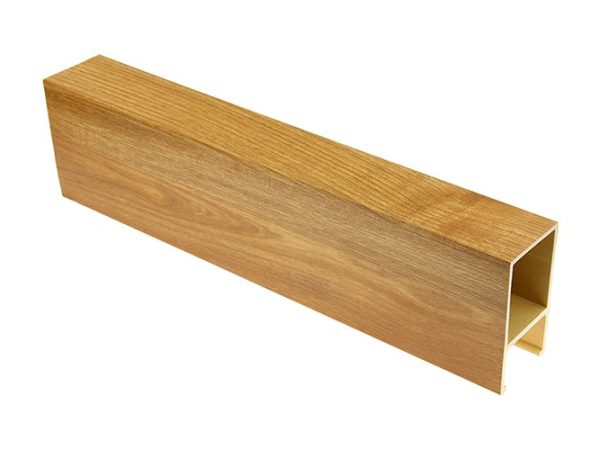
50 × 150 mm section · interior ceiling
50 × 90 mm section · interior ceiling
Tell us the size, the quantity and the destination port. We will come back with price, lead time and the packing plan.
The product name and SKU are filled in for you.
Send drawings or specs — we reply in one business day