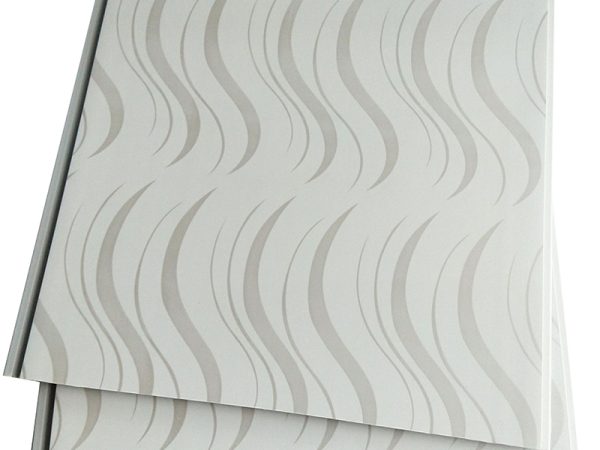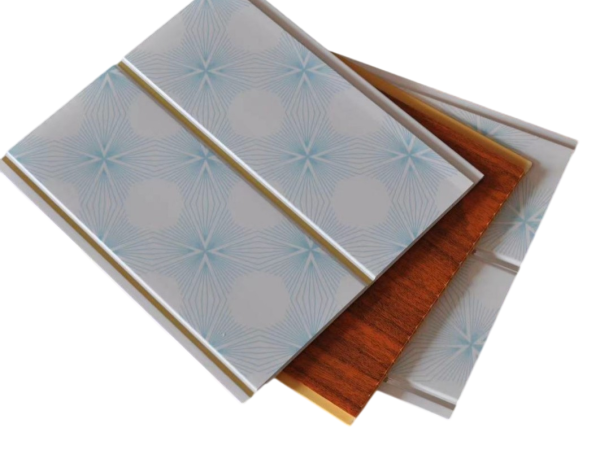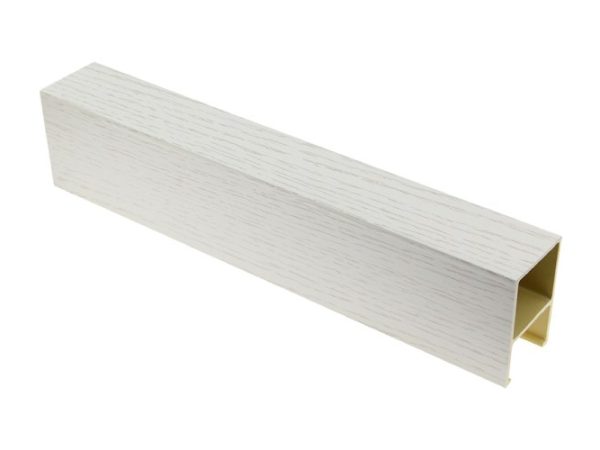
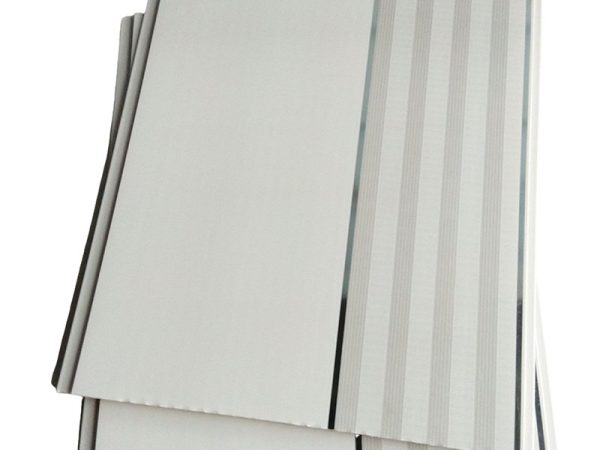
Bamboo Fibre Ceiling Panel
- Core Bamboo-fibre composite, denser than a standard PVC ceiling sheet
- Stiffness The higher density is what reduces flex over a longer span
PVC-B49F32
Get a Quote
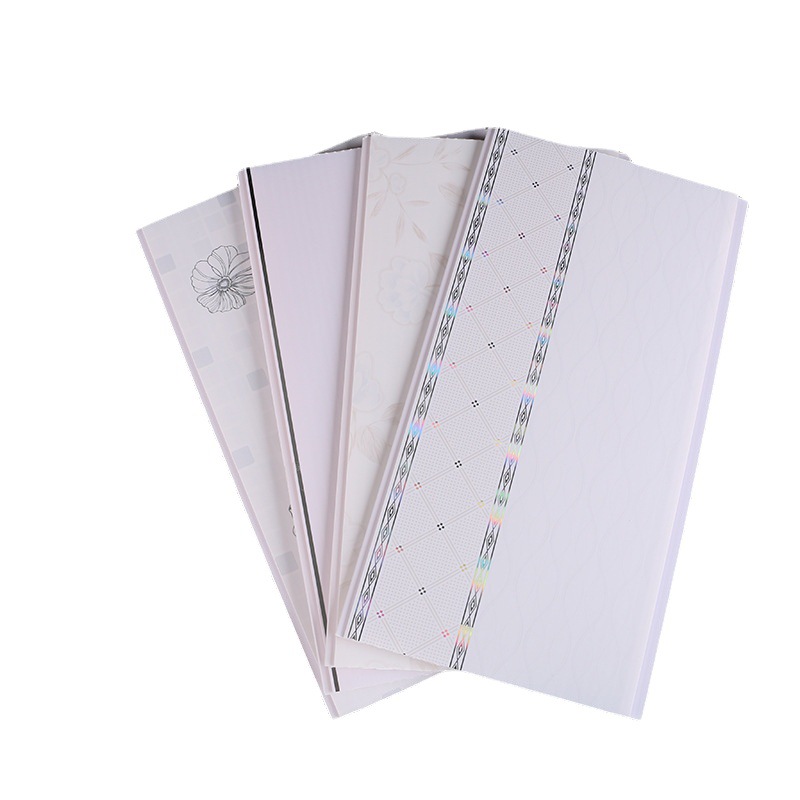
| Face width | 120 mm nominal, 9 mm profile |
|---|---|
| Edge | Tongue-and-groove — panels lock to each other and fix to battens without adhesive |
| Thickness | 9 mm profile depth, including the tongue |
| Material | Bamboo-fibre composite — wood fibre bound in a polymer matrix, not a PVC-only sheet |
| Support | Battens at centres set to the span; sag is a spacing problem, not a material one |
| Access | Panels are demountable — plan the first run to come down for service access |
| Use | Interior ceilings, including bathrooms and kitchens |
| Standard | SGS tested. CE documentation supplied with EU-bound orders. |
Panels lock to each other and fix to battens with no adhesive
A nominal face, set out on the effective cover once the joint closes
A run planned for access releases and goes back up
A sagging ceiling is a batten spacing problem, not a material one
A 120 mm tongue-and-groove ceiling panel on a bamboo-fibre composite core, 9 mm profile. Panels lock to each other and fix to battens without adhesive, which is what makes the ceiling both quick to install and demountable.
It is the standard interior ceiling panel for bathrooms, kitchens and utility rooms: moisture-proof, wipe-clean and light enough to fix overhead without a frame. Two details decide whether it looks right. The first is the cover width — 120 mm is nominal before the tongue engages, and the effective cover is slightly less, so set out on the effective figure from a centre line or a long ceiling finishes short at one end. The second is the batten spacing. When a PVC ceiling sags between battens it is a spacing problem rather than a material failure, and moving to a denser panel without bringing the centres in rarely fixes it. Because the joint releases, a single panel can come down for access to a valve or a fan, but only if the run was planned for it before the ceiling was closed.
Confirm the effective cover width, the batten centres and which run should be demountable when you order, and check that the void above is ventilated.
The room where a wipe-clean ceiling beats paint within two years
Steam and cooking fat settle on the ceiling, and a cloth deals with it
Small wet rooms where access above is still needed
Fast ceilings between tenancies, at a cost that suits the rent
1 × 20ft container, mixed across products where the mix suits the project. A sample box can be arranged before the first container.
Yes. Send the product and the size you are specifying, and we will confirm the sample and the lead time for it.
120 mm nominal before the tongue is engaged. The effective cover is slightly less once the joint is closed, so set out on the effective figure and work from a centre line, or a long ceiling will finish short at one end.
Yes. The tongue-and-groove joint lets a panel be released and re-fitted, but only if the run was planned for it. Decide which run comes down before the ceiling is closed, because finding it afterwards is the slow part.
Because the battens are too far apart for the span, not because the material failed. Bring the centres in and the sag stops; changing to a denser panel without changing the spacing usually does not.
Yes, that is its standard use, with the caveat that the void above still needs to ventilate. A moisture-proof panel over a trapped damp void will show the damp at the battens rather than on the face.
Final packing, freight and loading plan are confirmed in writing on the order quotation.
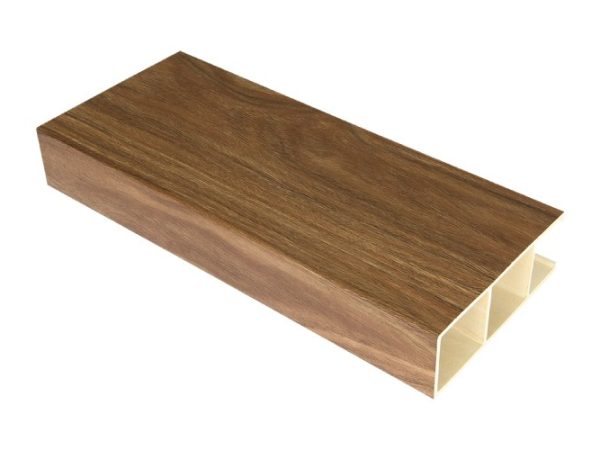
50 × 150 mm section · interior ceiling
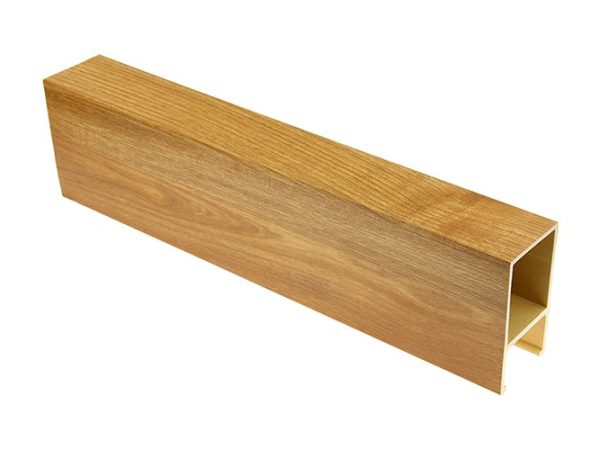
50 × 90 mm section · interior ceiling
50 × 75 mm section · interior ceiling
Tell us the size, the quantity and the destination port. We will come back with price, lead time and the packing plan.
The product name and SKU are filled in for you.
Send drawings or specs — we reply in one business day