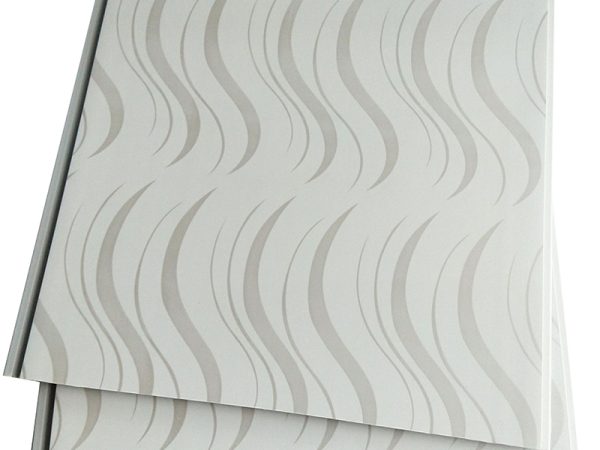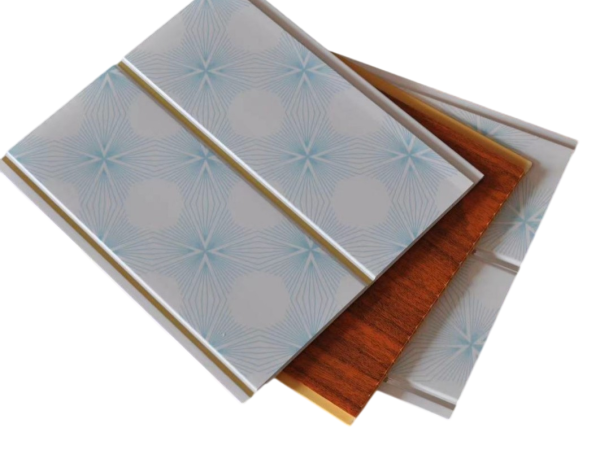
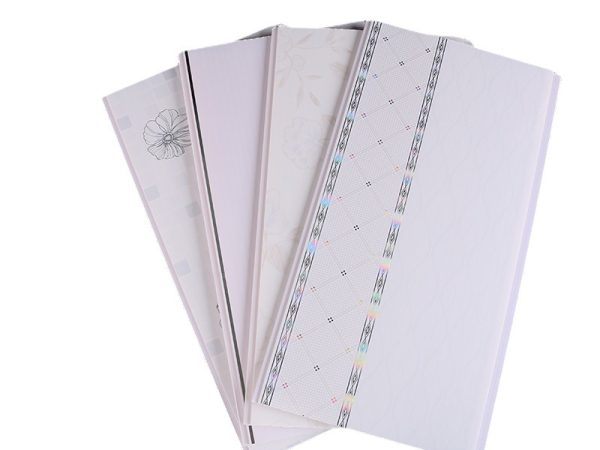
PVC Ceiling Panel
- Face width 120 mm nominal, 9 mm profile
- Edge Tongue-and-groove — panels lock to each other and fix to battens without adhesive
PVC-F1E5D7
Get a Quote
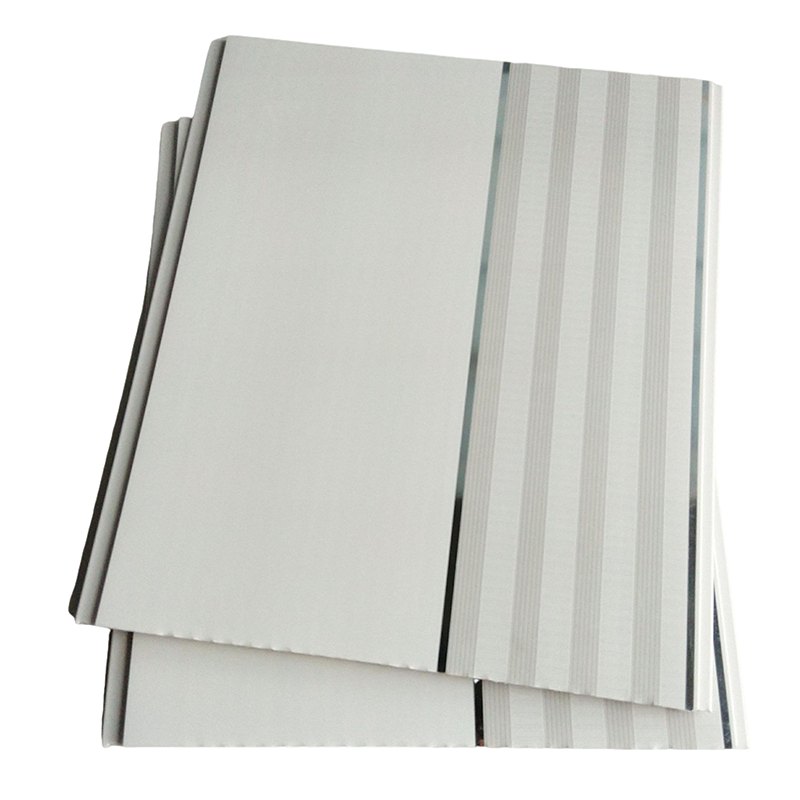
| Core | Bamboo-fibre composite, denser than a standard PVC ceiling sheet |
|---|---|
| Stiffness | The higher density is what reduces flex over a longer span |
| Support | Wider batten centres are tolerable than a standard sheet, because the panel flexes less |
| Limit | Denser does not mean it cannot sag — the batten spacing still decides |
| Profile | Tongue-and-groove edge, concealed fixing; face width confirmed at quotation |
| Use | Interior ceilings over larger spans, where a standard panel would need extra battens |
| Standard | SGS tested. CE documentation supplied with EU-bound orders. |
A denser core than a standard PVC ceiling sheet
Density is what reduces the wave over a longer span
A stiffer panel tolerates more spacing than a standard sheet
The spacing still decides, so density only moves the limit
A ceiling panel on a bamboo-fibre composite core, denser than a standard PVC ceiling sheet. The density is the point: the panel flexes less over the same span, so a ceiling runs further between battens or looks flatter at the same spacing.
It is specified where a standard panel has shown a wave, or where the ceiling is large enough that the batten layout would otherwise become expensive — long corridors, open-plan rooms, ceilings that have to read as one plane. Panels lock together on a tongue-and-groove edge and fix to battens with concealed fixings, and the run can be planned so a panel comes down for service access. Two practical notes. Denser does not mean it cannot sag: the batten spacing still decides, and a dense panel on wide centres will still show a wave, so replacing a sagging panel without reviewing the spacing tends to move the problem rather than solve it. And the panel is heavier and stiffer, which makes it less forgiving around an out-of-square ceiling, so the fixing pattern is worth planning rather than working out at height.
Confirm the span, the batten centres and the access run before ordering, since density only helps if the spacing is right for it.
A continuous plane where a lighter sheet would show a wave
A ceiling that has to read as one plane across a wide room
Long runs seen in perspective, where a wave is obvious
A large flat plane over a room with a lot of light on it
1 × 20ft container, mixed across products where the mix suits the project. A sample box can be arranged before the first container.
Yes. Send the product and the size you are specifying, and we will confirm the sample and the lead time for it.
The core is denser, so the panel flexes less over the same span. That is the whole difference in use: it lets a ceiling run further between battens, or look flatter at the same spacing.
It sags less, but the batten spacing still decides. A dense panel on wide centres will still show a wave. The gain is that a sensible spacing looks flatter than it would with a lighter panel.
Somewhat, and it is stiffer, which makes it less forgiving around an out-of-square ceiling. It is still a one-person panel, but plan the fixing pattern rather than working it out at height.
Yes, provided the battens are also reviewed. Replacing the panel without changing the spacing usually moves the problem rather than solving it.
Final packing, freight and loading plan are confirmed in writing on the order quotation.
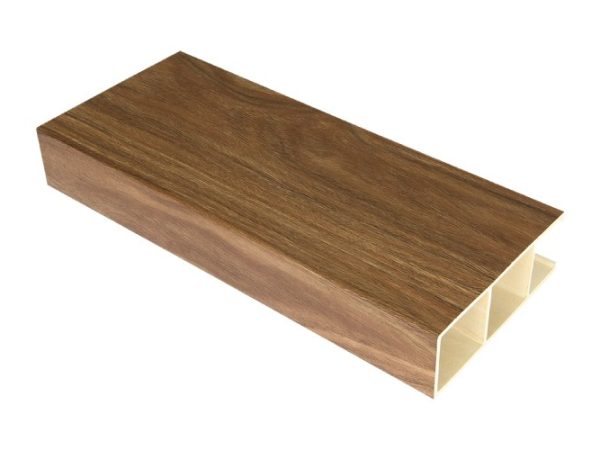
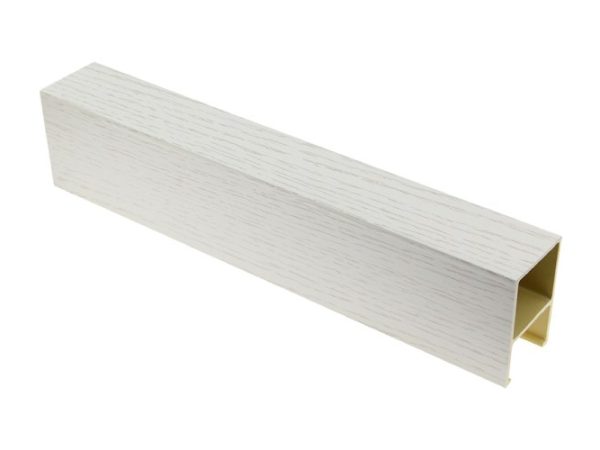
50 × 150 mm section · interior ceiling
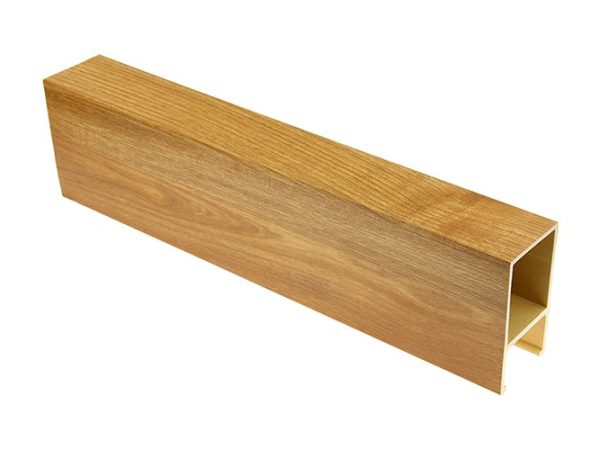
50 × 90 mm section · interior ceiling
50 × 75 mm section · interior ceiling
Tell us the size, the quantity and the destination port. We will come back with price, lead time and the packing plan.
The product name and SKU are filled in for you.
Send drawings or specs — we reply in one business day