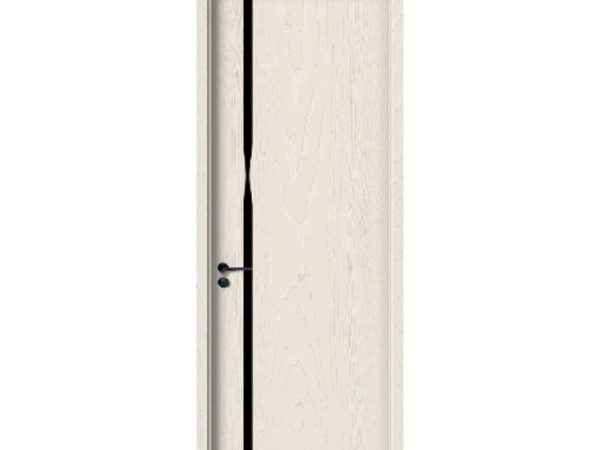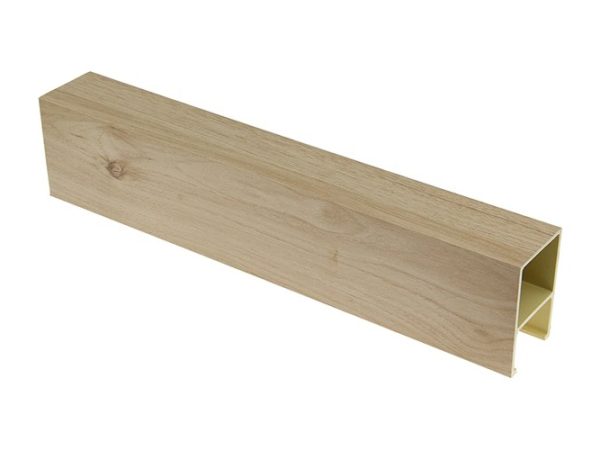
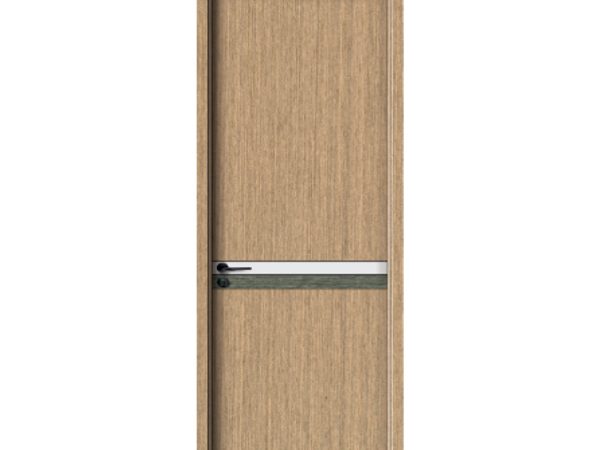
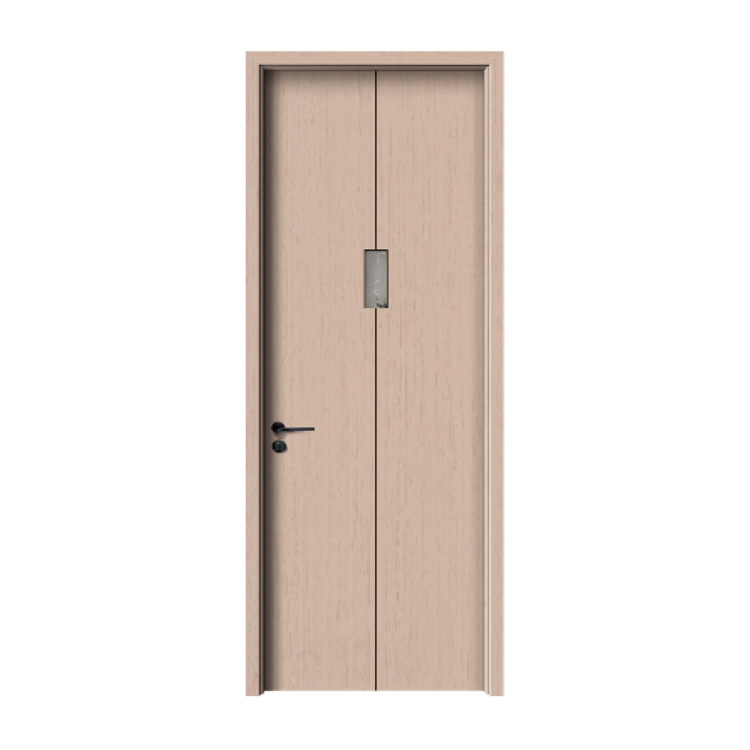
PP and PET skins for interior doors
PP / PET Door Skin
- Surface PP or PET foil — a polymer film, not a paper overlay
- Thickness 3–6 mm, tolerance ± 0.2 mm
DOO-C9F5D4
Get a Quote
| Surface | Printed and sealed wood-grain face — the grain is printed, then sealed |
|---|---|
| Grain matching | Grain and colour matched across the pallet, so a run of doors reads as one timber |
| Thickness | 3–6 mm, tolerance ± 0.2 mm |
| Format | 1850–2150 mm height, cut to the door blank |
| Substrate | HDF, MDF or plywood core behind the face |
| Finish | No sanding and no site finishing required |
| Use | Interior doors where a timber look is wanted without veneer or a lacquer shop. |
The grain is printed and sealed, so there is no site finishing
Grain and colour matched, so a run of doors reads as one timber
A printed face with a separate edge needs a band or a painted edge
A printed face not formulated for UV will lift outdoors
A door skin with a printed and sealed wood-grain face, 3–6 mm thick, supplied at 1850–2150 mm and cut to the blank. The grain and colour are matched across the pallet, so a run of doors reads as one timber rather than as a set of similar panels.
That matching is the reason to specify it. Real veneer cannot promise a consistent face at this price point, and a lacquered door depends on a spray shop and a controlled environment; a printed and sealed skin gives a timber look, needs no sanding and no site finishing, and holds its appearance across a batch. It is an interior product for exactly that reason — a printed face that is not formulated for exterior exposure will lift under sun and weather. Two practical details. The grain is printed rather than veneered, so if the project calls for genuine veneer, that is a different product and worth saying at enquiry rather than discovering at sample stage. And because the face is printed while the edge is separate, the edge has to be finished deliberately: a matching edge band or a painted edge, since an unbanded skin exposes the core. Where a fit-out runs across several deliveries, ask for the pallets to be matched at order stage.
Send the door thickness, the edge detail and the number of deliveries when you order so the grain matching can be planned rather than patched.
A corridor of doors that has to read as one timber, delivery after delivery
The door sets the tone of the hallway before anyone is inside
A timber look at a specifier's budget, matched across a floor
Panels and doors that have to agree with each other
1 × 20ft container, mixed across products where the mix suits the project. A sample box can be arranged before the first container.
Yes. Send the product and the size you are specifying, and we will confirm the sample and the lead time for it.
No, it is printed and then sealed. That is what allows the grain and colour to be matched across a pallet, which real veneer cannot promise at this price. If the project needs genuine veneer, say so — it is a different product.
Grain and colour are matched across the pallet, so a run of doors in one room reads as one timber. Where a fit-out spans several deliveries, tell us at the order stage so the pallets can be matched together; that is harder to fix later.
The face is printed and the edge is separate, so the edge detail has to be chosen to suit: a matching edge band or a painted edge. An unbanded printed skin shows the core at the edge.
No. It is an interior skin, and sunlight plus weather will lift a printed face that is not formulated for exterior exposure.
Final packing, freight and loading plan are confirmed in writing on the order quotation.
PP and PET skins for interior doors
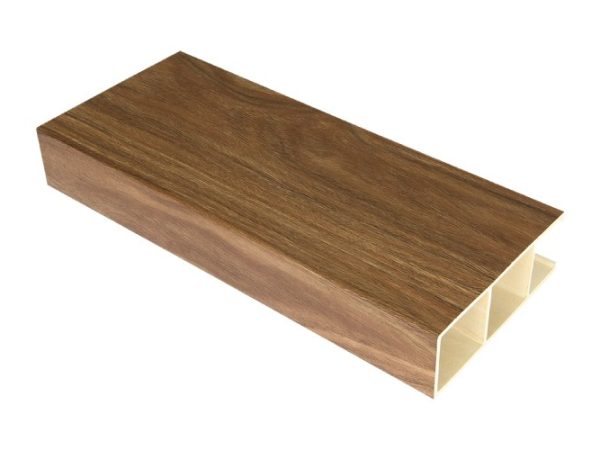
50 × 150 mm section · interior ceiling
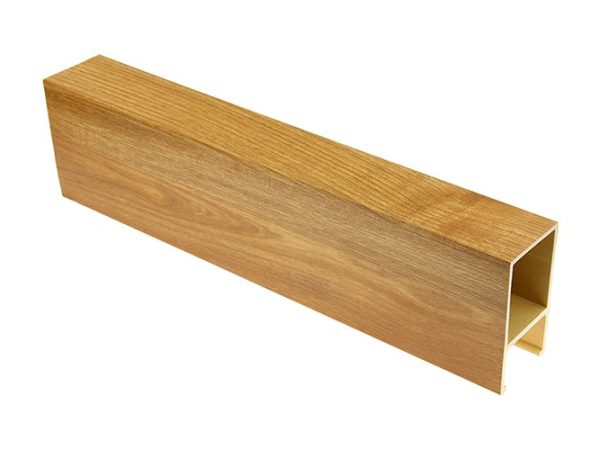
50 × 90 mm section · interior ceiling
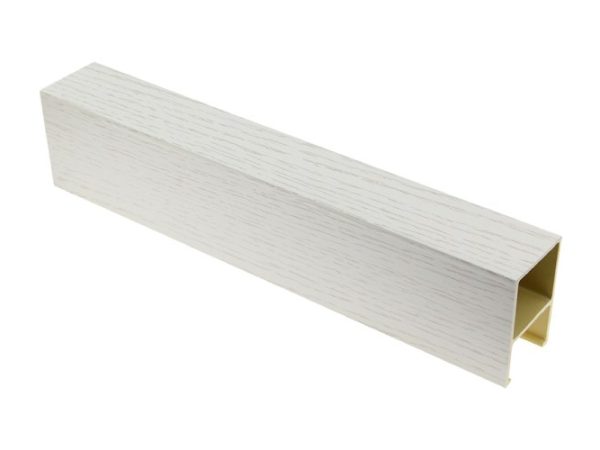
50 × 75 mm section · interior ceiling
50 × 60 mm section · interior ceiling
Tell us the size, the quantity and the destination port. We will come back with price, lead time and the packing plan.
The product name and SKU are filled in for you.
Send drawings or specs — we reply in one business day