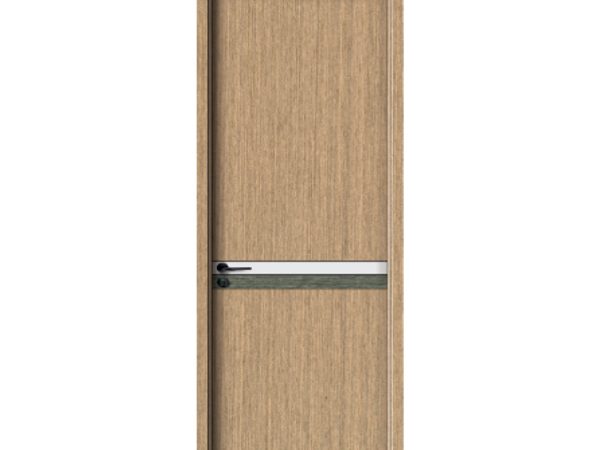
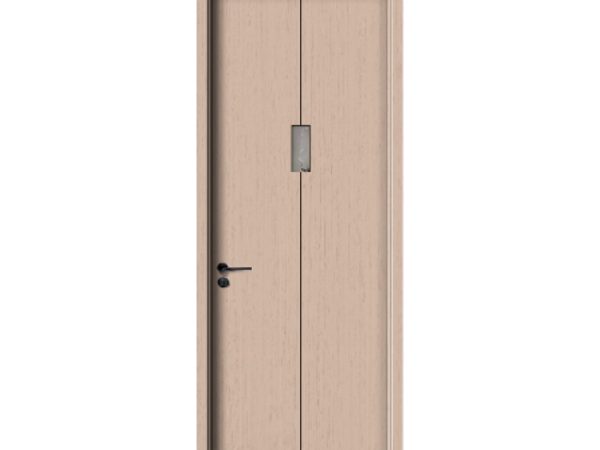
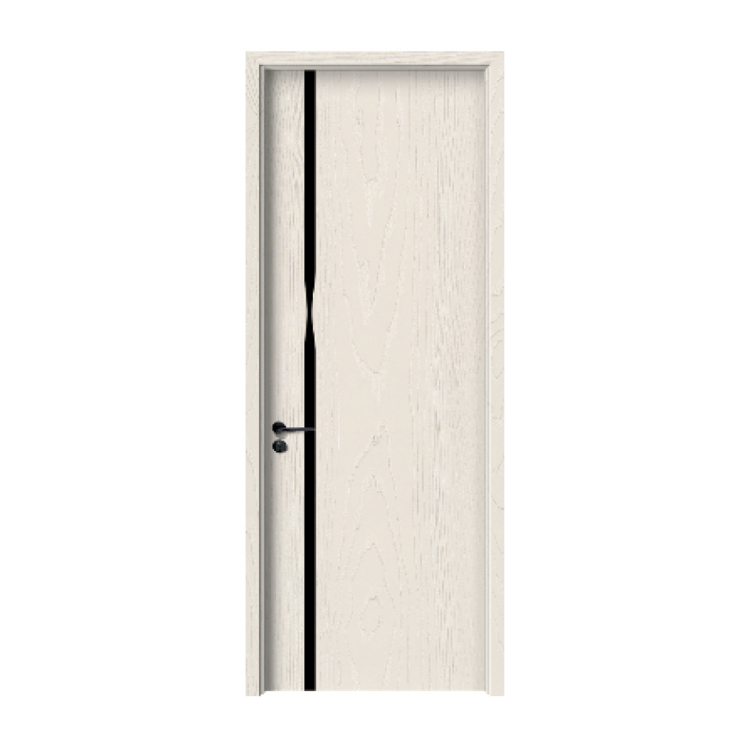
Wood-grain Door Skin
- Surface Printed and sealed wood-grain face — the grain is printed, then sealed
- Grain matching Grain and colour matched across the pallet, so a run of doors reads as one timber
DOO-4D8BA5
Get a Quote
| Face | Mineral-filled face, formulated to suit a rated door assembly |
|---|---|
| Documentation | Supplied with the test documentation for the assembly it is rated within |
| Thickness | 3–6 mm, tolerance ± 0.2 mm |
| Format | 1850–2150 mm height, cut to the door blank |
| Substrate | HDF, MDF or plywood core; the skin must match the rating of the core |
| Fire | Fire-rated where the complete assembly is rated — the skin alone does not make a fire door |
| Use | Interior doors on rated assemblies. Not a substitute for a rated core. |
The face formulation is driven by the rating, not by the decor range
Core, skin, edge, seal and frame are tested together, not the skin alone
The test documentation is part of the product and is asked for at enquiry
The mineral fill limits finishes compared with a decorative skin
A fire-rated door skin with a mineral-filled face, 3–6 mm thick, supplied at 1850–2150 mm with the test documentation for the assembly it is rated within.
The thing to be precise about is what the rating belongs to. A fire rating is a property of the complete assembly — core, skin, edge, intumescent seal and frame — tested together, and the skin is one component of that. A fire-rated skin bonded to an unrated core does not produce a fire door, and changing the skin on an existing unrated door does not upgrade it; claiming otherwise is a compliance risk on the project rather than a technical nicety. What this product does is supply the skin component with the paperwork, so the assembly can be built and documented as specified. That makes the documentation as much a part of the product as the board: it should be requested at enquiry stage and checked against the door schedule before the order, because a certificate that turns up after installation is difficult to put right. Expect a narrower finish range than the decorative skins, since the mineral-filled formulation is driven by the rating.
Send the door schedule and the required rating with the enquiry, and we will confirm which skin and core combination can be documented for it.
The door schedule names a rating, and the skin is one part of it
The assembly has to be documented, not just built
Compartmentation and a cleanable face in the same door
Rated doors on a corridor that is also knocked about daily
1 × 20ft container, mixed across products where the mix suits the project. A sample box can be arranged before the first container.
Yes. Send the product and the size you are specifying, and we will confirm the sample and the lead time for it.
No, and this is the point to be clear about. A fire rating belongs to the complete assembly — core, skin, edge, intumescent seal and frame — tested together. The skin is one component, and it has to match the rating of the core it is bonded to.
The test documentation for the assembly the skin is rated within. Ask for it at enquiry stage so it can be checked against the door schedule before the order, because a certificate that arrives after installation is difficult to put right.
No. Upgrading an unrated door by changing the skin does not produce a rated assembly, and claiming that it does is a compliance risk on the project.
The face is mineral-filled, so it is heavier and the surface is slightly different to the touch. The finish range is narrower than the decorative skins, because the formulation is driven by the rating.
Final packing, freight and loading plan are confirmed in writing on the order quotation.
PP and PET skins for interior doors
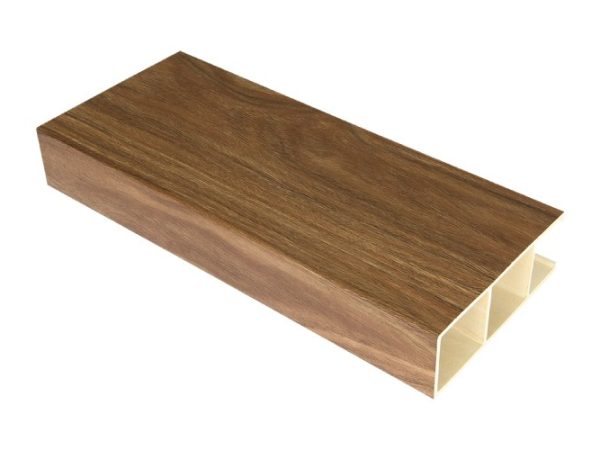
50 × 150 mm section · interior ceiling
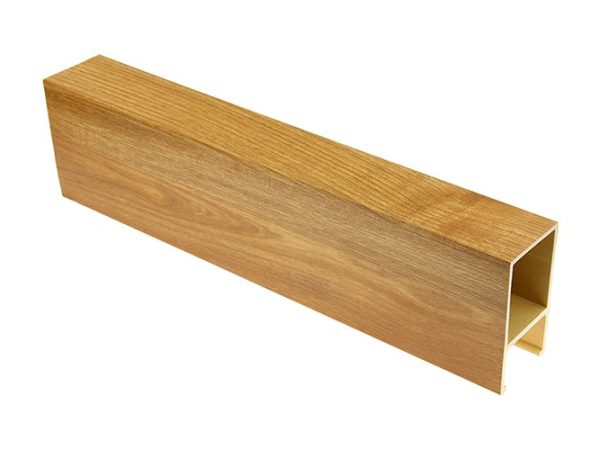
50 × 90 mm section · interior ceiling
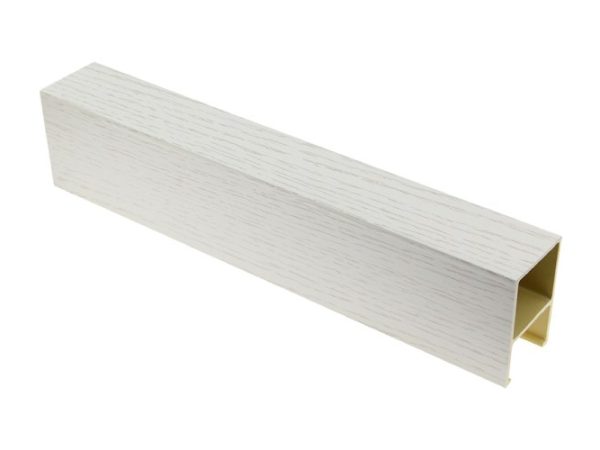
50 × 75 mm section · interior ceiling
50 × 60 mm section · interior ceiling
Tell us the size, the quantity and the destination port. We will come back with price, lead time and the packing plan.
The product name and SKU are filled in for you.
Send drawings or specs — we reply in one business day