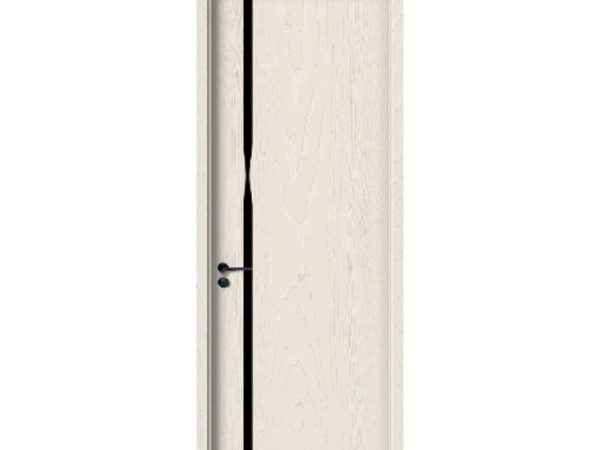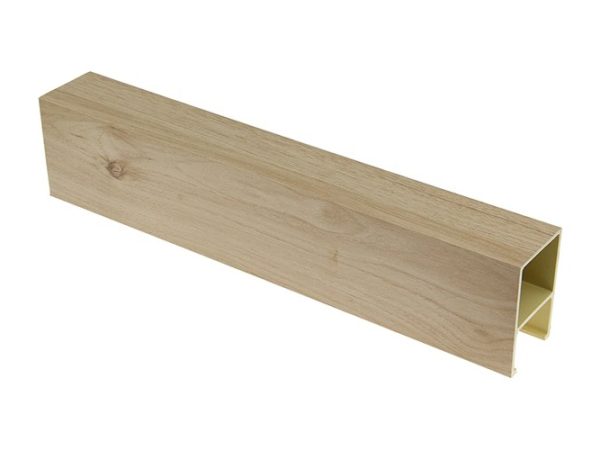
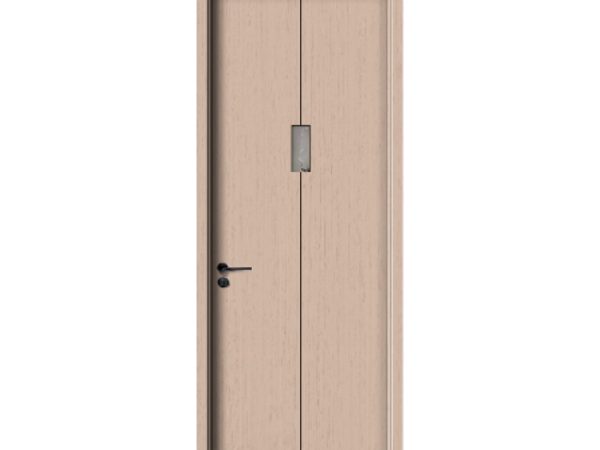
Wood-grain Door Skin
- Surface Printed and sealed wood-grain face — the grain is printed, then sealed
- Grain matching Grain and colour matched across the pallet, so a run of doors reads as one timber
DOO-4D8BA5
Get a Quote
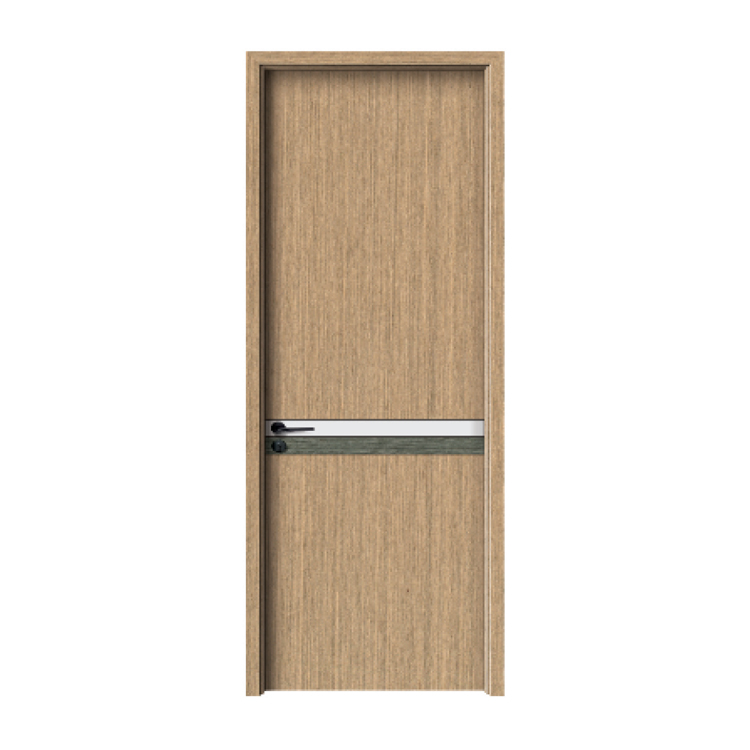
PP and PET skins for interior doors
| Surface | PP or PET foil — a polymer film, not a paper overlay |
|---|---|
| Thickness | 3–6 mm, tolerance ± 0.2 mm |
| Format | 1850–2150 mm height, cut to the door blank |
| Substrate | HDF, MDF or plywood core behind the foil |
| Adhesive | E0 or E1 grade, formaldehyde-free option available |
| Fire | Not fire-rated as standard — take the fire-rated skin where the assembly needs it |
| Use | Interior doors. Exterior doors need a different construction. |
PP or PET foil bonded to an HDF, MDF or plywood core
The film is the finished face, so it takes paint or laminate directly
A ± 0.2 mm skin finishes inside the door set instead of lipping at the edge
PP for economy and matte faces, PET where the door gets knocked
A door skin in PP or PET foil, 3–6 mm thick to a ± 0.2 mm tolerance, supplied at 1850–2150 mm and cut to the door blank. The foil is a polymer film bonded to an HDF, MDF or plywood core, and it is the finished face rather than a base for one.
That is the reason it is used on volume joinery: there is no sanding step and no priming, so a door goes from skin to finished face in one operation, and the face is consistent across a run in a way a painted door is not. PP is the economical film and handles a matte or textured surface well; PET takes a harder, more scuff-resistant face and is the better choice where doors get knocked. The tolerance is not a detail. Because the skin is bonded to a core and the pair has to finish at the door thickness, a ± 0.2 mm skin keeps the assembly inside the door set, while a loose tolerance shows as a lip at the edge that no amount of finishing removes. These are interior skins, and a fire door needs the fire-rated version, because the skin has to match the rating of its core.
Confirm the door thickness, the edge detail and the traffic the door will see when you order, since those decide both the film and the tolerance you need.
A run of doors that has to match, at a price that suits a development
A hard face at the push plate, in a corridor nobody photographs
Doors that are knocked and kicked for three years
Small fronts that benefit from a face needing no finishing
1 × 20ft container, mixed across products where the mix suits the project. A sample box can be arranged before the first container.
Yes. Send the product and the size you are specifying, and we will confirm the sample and the lead time for it.
PP is the more economical film and handles a matte or textured face well. PET takes a harder, more scuff-resistant surface and is the better choice on a door that gets knocked. Tell us the use and we will point at one rather than quote both without a view.
No. The foil is the finished face, so it takes paint or laminate directly and there is no sanding step. That is the reason it is used on volume joinery.
Because the skin is bonded to a core and the pair has to finish at the door thickness. A ± 0.2 mm tolerance keeps the assembly within the door set, whereas a loose tolerance shows as a lip at the edge.
Not this skin. A fire door needs the fire-rated skin, because the skin has to match the rating of the core it is bonded to.
Final packing, freight and loading plan are confirmed in writing on the order quotation.
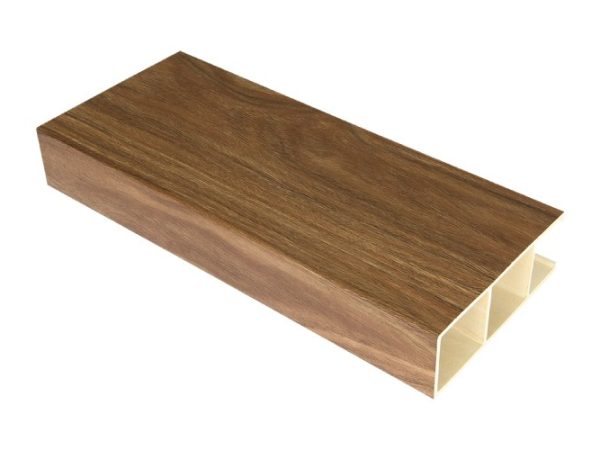
50 × 150 mm section · interior ceiling
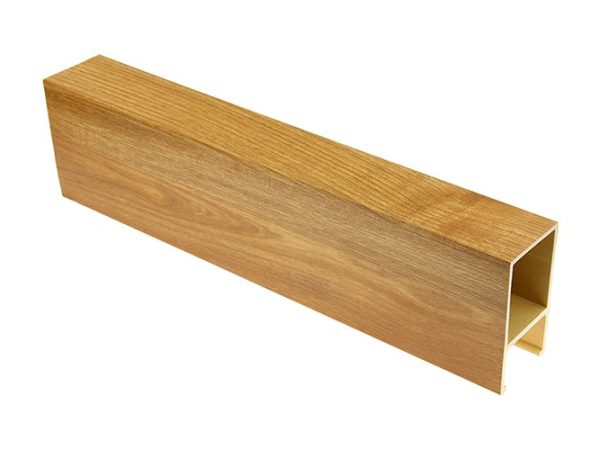
50 × 90 mm section · interior ceiling
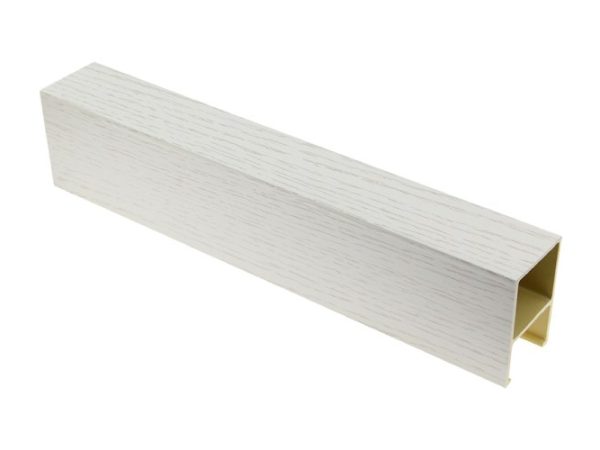
50 × 75 mm section · interior ceiling
50 × 60 mm section · interior ceiling
Tell us the size, the quantity and the destination port. We will come back with price, lead time and the packing plan.
The product name and SKU are filled in for you.
Send drawings or specs — we reply in one business day