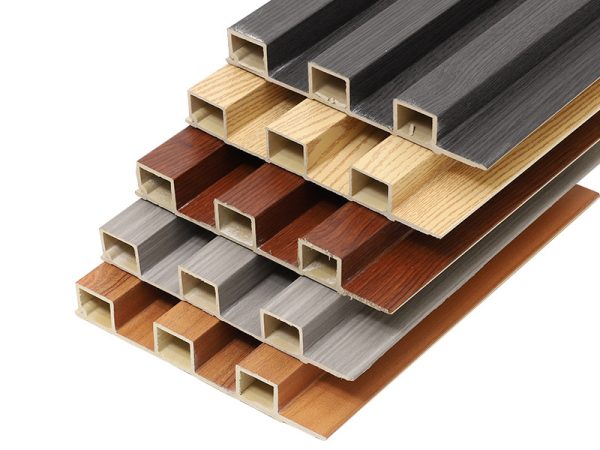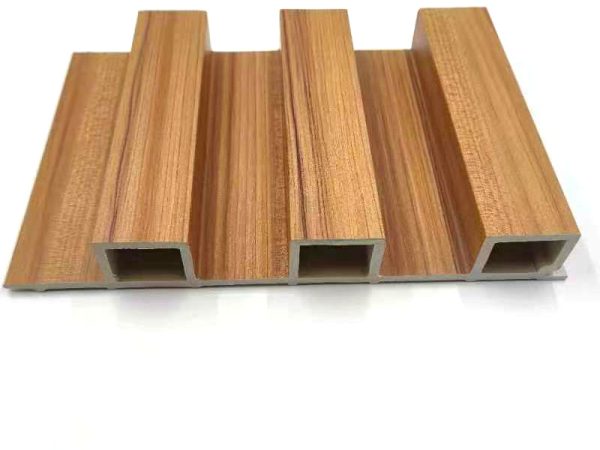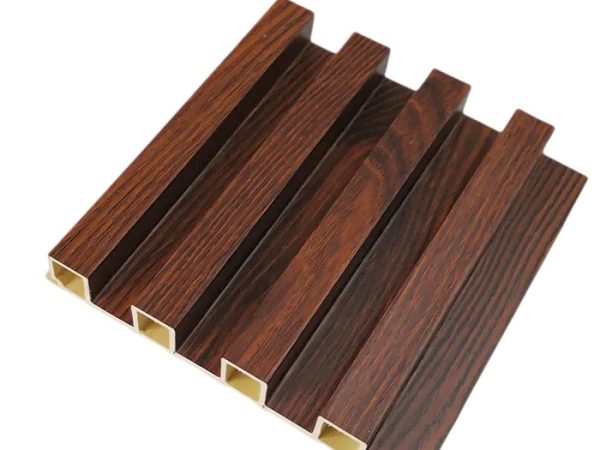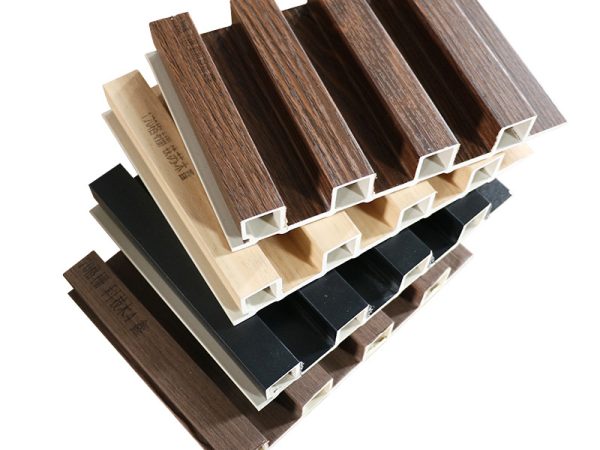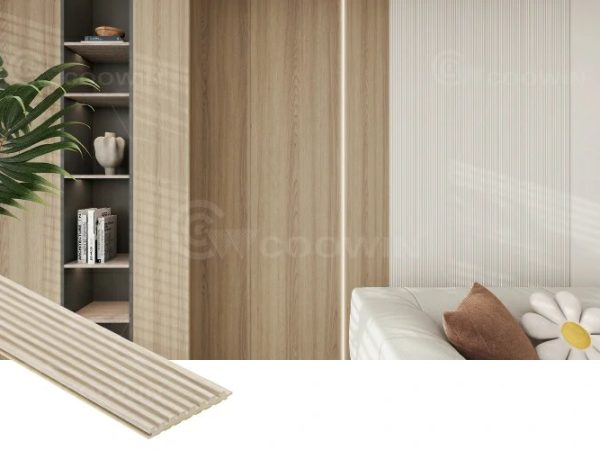
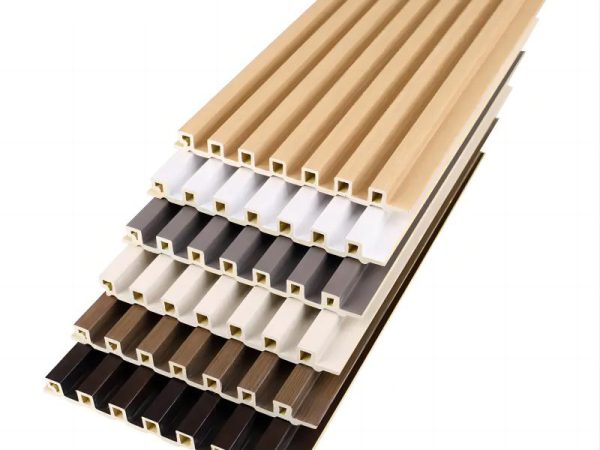
169x24mm
3D Fluted WPC Wall Panel
- Section 169 × 24 mm, supplied made to order to the wall length
- Fluting Three-dimensional relief cut into the face to the full section depth — not a printed line
WPC-15ED72
Get a Quote
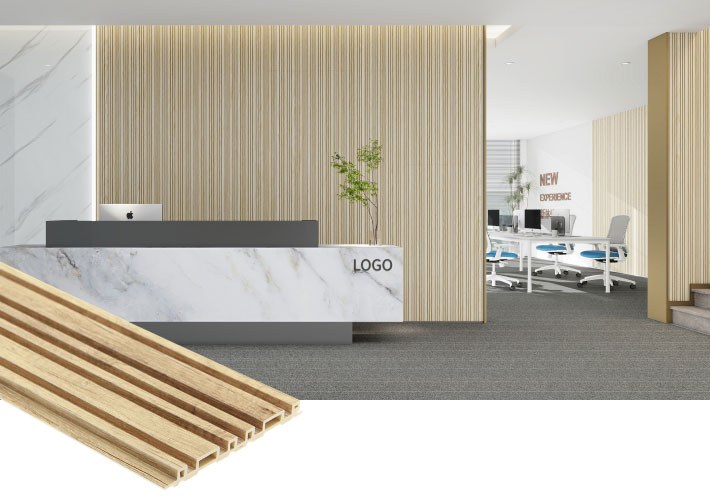
Interior wall
| Section | Face width to the drawing — panel sections are made to order on this profile |
|---|---|
| Impact | Heavier wall section than the standard range, chosen for high-traffic interiors |
| Substrate | Over battens or direct to a flat wall; a direct fix needs a genuinely flat substrate |
| Limit | Resists a dent better than the standard section; it is not armouring, and a hard hit will mark |
| Use | Corridors, stair cores, lobbies and service areas where the wall will be struck |
| Standard | SGS tested. CE documentation supplied with EU-bound orders. |
| Maintenance | Wipe clean. No paint or oil finish required. |
More material in the section than the standard range, for walls that get struck
The section spreads a trolley corner or a chair back rather than denting at a point
Fixes direct to a flat wall, or over battens where the wall is not flat
Bends under a hit and springs back, where a brittle facing would crack
A heavy-section wood-plastic composite wall panel for high-traffic interiors. It shares the grooved face and interlocking edge of the standard range, but the wall section is heavier, and that is the whole reason to choose it: resistance to point impact and abrasion.
It is specified for corridors, stair cores, lobbies and service areas — places where the wall is going to be struck by trolley corners, chair backs and luggage. A heavier section resists a local dent better, and where it does deflect it tends to spring back rather than crack. That is worth being precise about: it is not armouring, and a hard enough hit will still mark it. It is a matter of how the wall ages over five years of traffic rather than whether it can be damaged. The panel fixes over battens or direct to a flat wall, but a heavy section demands a genuinely flat substrate if it is fixed direct, because it will rock on the high points and work the fixing loose. Over battens it has a cavity and sits fair.
Confirm the face width and the batten layout against the drawing before ordering, since a heavier section carries more load into the fixing than the standard range does.
Housekeeping trolleys hit the same spot every day, and the section is what survives
Luggage and equipment carried around a corner with no room to be careful
Term-time traffic against a wall for fifteen years
Trolleys, crates and pallet trucks in a space nobody photographs
1 × 20ft container, mixed across products where the mix suits the project. A sample box can be arranged before the first container.
Yes. Send the product and the size you are specifying, and we will confirm the sample and the lead time for it.
Point impact and abrasion: trolley corners,chair backs, luggage. A heavier section resists a local dent better, and if it does deflect it springs back rather than cracking. It is not armouring — a panel struck hard enough will still mark.
Yes, if the substrate is genuinely flat. A heavy section fixed direct over an uneven wall will rock on the high points, and the fixing will work loose. Over battens the panel has a cavity and a chance to sit fair.
Yes. The section is stiffer and heavier, so the batten or substrate fixing has to carry more, and the joint clip has to be fully engaged along its length rather than spot-fixed.
Usually not. The standard section does the same job where the wall is not going to be struck, and it costs less. Specify the heavy section where you can name the impact source.
Final packing, freight and loading plan are confirmed in writing on the order quotation.
169x24mm
169x24mm
169x24mm
169x24mm
169x24mm
84 × 8 mm section · interior wall
Tell us the size, the quantity and the destination port. We will come back with price, lead time and the packing plan.
The product name and SKU are filled in for you.
Send drawings or specs — we reply in one business day