Introduction
If you are an importer, distributor, or contractor searching for a low-maintenance alternative to natural wood cladding, WPC wall panel (Wood Plastic Composite) has become one of the most popular choices in modern construction and interior decoration. In this guide, Linyi Solland International Trade Co., Ltd. breaks down everything you need to know before placing your first bulk order.
What Is a WPC Wall Panel?
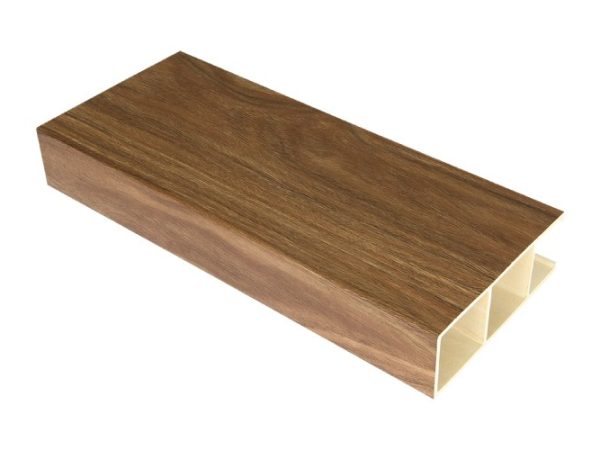
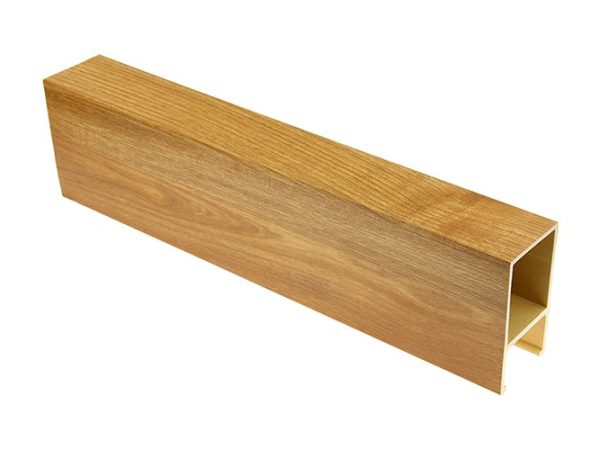
A WPC wall panel is an engineered building material made by combining wood fiber (or bamboo flour) with thermoplastics such as PVC, PE, or PP. Additives like UV stabilizers, colorants, coupling agents, and blowing agents are blended in, then the compound is extruded or molded into panels with wood-grain textures.
Typical composition ratio:
- Wood fiber / bamboo fiber: 50%–60%
- Plastic resin (PVC/PE/PP): 30%–40%
- Additives: 5%–10%
The result is a panel that looks like natural wood but performs better against moisture, insects, and UV exposure.
Key Specifications (Standard Sizes at Solland)
| Specification | Standard Value | Customization |
|---|---|---|
| Width | 100mm – 300mm | Yes |
| Thickness | 8mm – 25mm | Yes |
| Length | 2.2m / 2.9m / 3m / 5.8m (common) | Cut-to-length available |
| Surface | Wood grain, 3D embossed, brushed, matte, glossy | Multiple patterns |
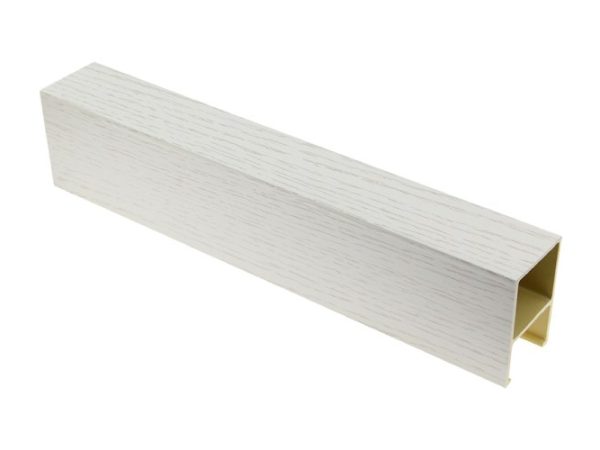
| Color | Teak, walnut, oak, antique grey, custom | Color match on request |
| Installation | Clip-lock, tongue-and-groove, screw-fix | — |
Where Can WPC Wall Panels Be Used?
Because WPC panels resist moisture and UV, they work in both interior and exterior applications:
- Villa and residential exterior cladding — replacing traditional wood siding
- Hotel and guesthouse wall decoration — lobby feature walls, corridors
- Whole-house interior walls and ceilings — living rooms, bedrooms, kitchens
- Office and commercial interiors — reception areas, conference rooms
- Bathrooms and balconies — due to moisture-proof performance
- Outdoor pergolas and gazebos — UV-resistant variants
Advantages of WPC Wall Panels
- Waterproof and moisture-proof: Won't swell, warp, or rot like solid wood
- Eco-friendly: Made from recycled wood and plastic, no formaldehyde emissions
- Low maintenance: No sanding, sealing, or repainting required
- Easy installation: Click-lock systems reduce labor cost by 30%–50%
- Long lifespan: 15–25 years for outdoor use, 25+ years for indoor
- Aesthetic variety: Multiple wood-grain patterns and colors
- Fire-retardant options: Class B1 available on request
- Insect and termite-proof: Plastic content repels pests
Limitations to Consider
- Higher upfront cost than MDF or PVC panels (but lower lifecycle cost)
- Not as structurally rigid as solid wood for load-bearing applications
- Color fading can occur after 5–8 years of direct sunlight (UV-stabilized version mitigates this)
- Thermal expansion must be considered during installation — leave proper expansion gaps
How to Import WPC Wall Panels from China
Step 1 — Define specifications
Decide on size, color, surface finish, fire rating, and quantity (typically 20'GP or 40'HQ containers).
Step 2 — Request samples
Always evaluate samples under your local climate conditions before bulk orders.
Step 3 — Verify certifications
Look for ISO 9001, CE, FSC, and SGS test reports. Solland provides all relevant documentation.
Step 4 — Confirm packaging
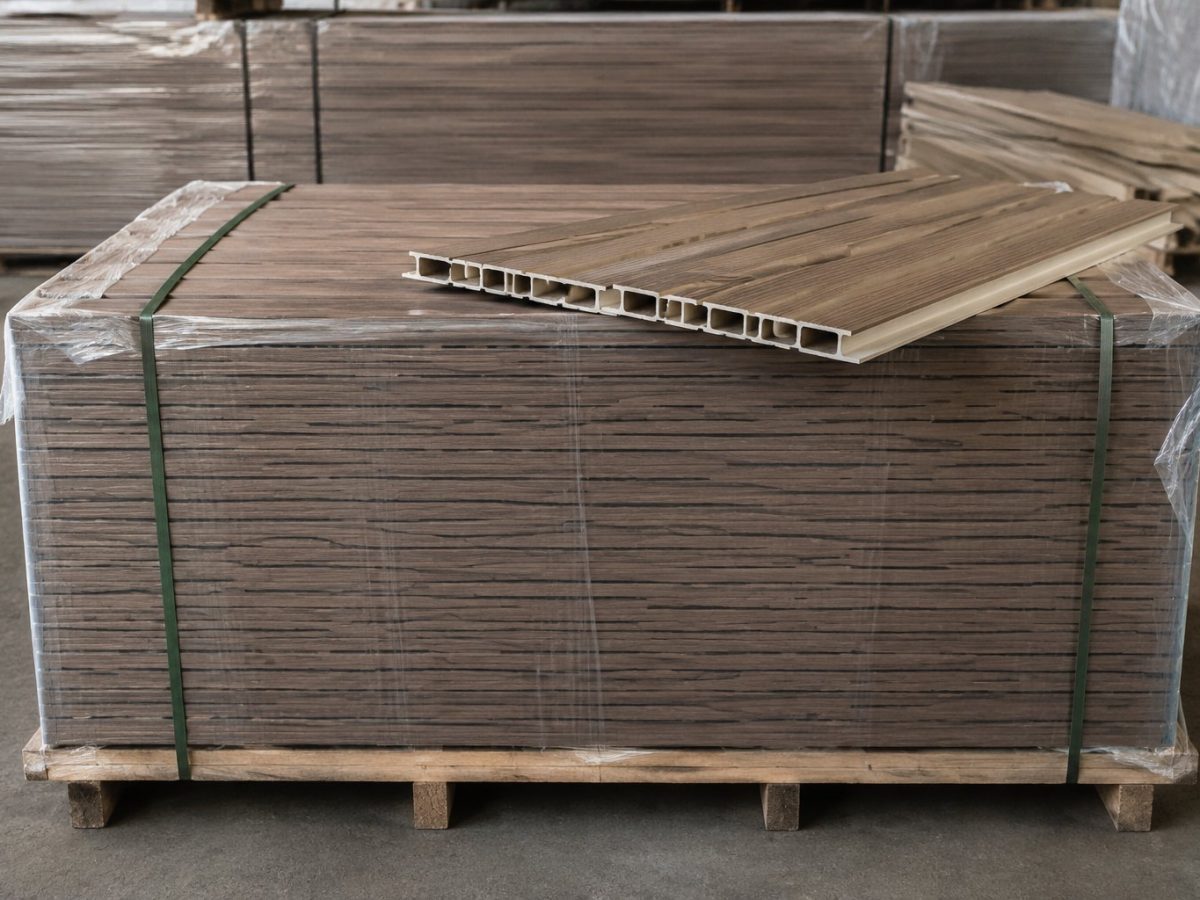
Standard export packaging: PE film + carton + pallet. Fumigation-free pallets for Europe.
Step 5 — Arrange logistics
Solland ships from Qingdao/Lianyungang port with FOB, CIF, or DDP terms available.
Why Choose Solland as Your WPC Supplier?
- ✅ Own manufacturing base (Linyi Solland WPC Manufacturing Base) — full control over quality and lead time
- ✅ 15+ years of export experience to Europe, North America, Middle East, Southeast Asia
- ✅ OEM/ODM customization — color, size, surface, packaging
- ✅ Mixed container loading with other Solland products (SPC flooring, plywood, etc.)
- ✅ Dedicated export team with English, Spanish, and Russian-speaking staff
Conclusion
A WPC wall panel offers an excellent balance of aesthetics, durability, and sustainability for both residential and commercial projects. By working with a vertically integrated supplier like Solland, you reduce risk, shorten lead times, and gain the flexibility to customize products for your local market.